



What Does the Name Isa (Jesus) Mean? 5 Insights
What Does the Name Isa (Jesus) Mean? 5 Insights. For many Muslims, the name Isa is critical. It means salvation and a gift from God. As we look into this name, we find a deep history and meaning that touches many faiths.
The Arabic version of Jesus, Isa, is found in Islamic texts, like the Quran. Knowing its meaning gives us a special look into Islamic beliefs and Jesus’s role.
Looking into the history and language of Isa, we see a name full of faith and spirit. This journey helps us better understand Islamic views and builds respect and understanding among different faith groups.
Key Takeaways
- Isa is the Arabic version of Jesus, mentioned in the Quran.
- Isa means salvation and is considered a gift from God.
- Understanding Isa provides insights into Islamic theology.
- The significance of Isa is deeply rooted in Islamic faith and texts.
- Exploring Isa fosters deeper understanding among different faith communities.
Prophet Isa’s Historical Context
To understand Prophet Isa’s importance, we must first look at his world. The historical context of his life is deeply rooted in 1st-century Judea’s complexities.
Time Period and Location
Prophet Isa was born during the Herodian Kingdom of Judea’s reign. This time was heavily influenced by the Roman Empire. The location of his birth, within this landscape, greatly shaped his message.
Cultural Setting of His Birth
The cultural setting of Prophet Isa’s birth was primarily Jewish. There was a strong focus on religious practices and the hope for a messianic figure. This artistic background, influenced by Jewish customs and the Roman Empire, laid the groundwork for his teachings and the following religious movements.
I think it’s a good idea to understand Prophet Isa’s message and its significance to his contemporaries.
The Meaning of the Name Isa (Jesus)
The name Isa comes from ancient languages and cultures. To grasp its meaning, we must look into its origins and how it developed over time.
Linguistic Origins in Aramaic and Arabic
The name Isa comes from the Aramaic name Yeshua’ or Yeshu’. It was later adopted into Arabic as Isa. This shows the cultural and linguistic exchanges in the ancient Near East. The Aramaic language greatly influenced the naming traditions later adopted into Arabic.
Etymological Development Through History
The name Isa’s etymology shows its change from Yeshua to Isa. This change was shaped by languages like Greek and Latin as cultures mixed and languages changed.
“The transformation of names across languages often reflects the complex dynamics of cultural exchange and linguistic adaptation.”
From Yeshua to Isa
The shift from Yeshua to Isa is interesting. The name Yeshua, meaning “God is salvation,” was first used in Hebrew. As it spread to other languages, it became Isa in Arabic. This change shows the rich cultural and linguistic diversity of the areas where these languages were spoken.
Learning about Isa’s etymology gives us a glimpse into its historical and cultural background. It also highlights the importance of the name in religious traditions.
Isa in the Holy Quran
The Quran tells a unique story about Isa (Jesus) that differs from Christians’ beliefs. We look into Isa’s importance in the Quran. This includes how often he is mentioned, the context of these mentions, and key verses that highlight his role.
Frequency and Context of Mentions
The Quran mentions Isa 25 times, which shows his big role in Islamic beliefs. The Quran talks about his miraculous birth and his mission to the children of Israel.* Mentions in various surahs, including Al-Imran and An-Nisa
- Emphasis on his prophetic role and miracles
- References to his mother, Maryam (Mary), and her piety
Key Verses About Prophet Isa
Many Quranic verses shed light on Isa’s nature and mission. For example, Surah Al-Imran (3:45-59) tells the story of Isa’s creation and his role as a prophet.
“And [mention] when the angels said, ‘O Mary, Allah gives you good tidings of a word from Him, whose name will be the Messiah, Jesus, the son of Mary – distinguished in this world and the Hereafter and among those brought near [to Allah].'” (Quran 3:45)
Surah Maryam and Other Important References
Surah Maryam is significant. It tells the story of Mary and Isa’s birth and gives a detailed account of Isa’s early life in the Quran.
| Surah | Verse | Description |
|---|---|---|
| Maryam | 19:16-21 | Narrates the story of Mary and the birth of Jesus |
| Al-Imran | 3:45-59 | Describes Isa’s creation and prophetic role |
By looking at these Quranic references, we understand Isa’s role in Islamic theology better. We see the importance of his story in the Quran.
Biblical Jesus: Comparative Understanding
Exploring the origins of “Jesus” sheds light on the Christian view of this important figure. The name Jesus, rooted in ancient languages, holds deep theological meaning.
Hebrew and Greek Etymology of “Jesus”
The name “Jesus” comes from the Hebrew Yeshua, meaning “saviour” or “God saves.” This etymology is key to understanding Jesus as humanity’s saviour. The Greek version also highlights Jesus’ role in Christian beliefs.

Meaning of “Saviour” or “God Saves”
Yeshua or “Jesus” means salvation, a core idea in Christianity. This understanding is crucial for grasping Jesus’ name’s theological significance.
Theological Implications in Christianity
The idea of Jesus as the “saviour” is deeply significant in Christianity. It shows Jesus as the messiah who saves humanity from sin. This belief is at the heart of Christian faith and actions.
Comparing Biblical Jesus to the Islamic view of Isa deepens our respect for both faiths. Despite differences, we share a reverence for this key figure.
Titles and Attributes of Isa in Islamic Tradition
Isa is known by several honorific titles in Islam. Each title shows a different aspect of his character and mission. These titles show his revered status in Islamic tradition and highlight the theological importance of his birth and role.
Al-Masih (The Messiah)
The title Al-Masih, or The Messiah, is very significant. It shows his role as a saviour and a key figure in the Islamic story.
Ibn Maryam (Son of Mary)
Isa is also called Ibn Maryam, or the Son of Mary. This title emphasises his miraculous birth and his connection to the Virgin Mary. It highlights the miraculous nature of his conception and his special status.
Ruhullah (Spirit of God)
The title Ruhullah, meaning Spirit of God, further emphasises Isa’s divine nature. It shows that he breathed with God’s spirit, highlighting his unique creation.
Significance of These Honorific Titles
These titles together show the reverence and significance of Isa in Islamic tradition. They highlight his special status, miraculous birth, and divine mission.
We can summarise the significance of these titles in the following table:
| Title | Meaning | Significance |
|---|---|---|
| Al-Masih (The Messiah) | Saviour or Anointed One | Signifies his role as a saviour |
| Ibn Maryam (Son of Mary) | Son of the Virgin Mary | Highlights his miraculous birth |
| Ruhullah (Spirit of God) | Spirit of God | Emphasises his divine nature |
Understanding these titles gives us a deeper look into the Islamic view of Isa. It shows the reverence and respect he is held in Islamic tradition.
Prophet Isa’s Special Status in Islam
In Islamic theology, the Prophet Isa is highly respected. He is one of the Ulul ‘Azm prophets, a group known for their strong will and important roles in the Islamic story.
Among the Ulul ‘Azm (Resolute) Prophets
The Ulul ‘Azm prophets are known for their great perseverance and determination. Prophet Isa is among them, showing his key role in Islamic belief.
- Demonstrated unwavering commitment to their faith
- Played pivotal roles in shaping Islamic theology
- Exhibited extraordinary abilities through miracles
Miracles Attributed to Isa
The miracles of the Prophet Isa prove his prophetic status. These events show divine power.
Speaking from the Cradle
One amazing miracle of Prophet Isa is speaking from the cradle. He defended his mother, Maryam, against false accusations.
Healing the Sick and Raising the Dead
Prophet Isa could heal diseases and bring the dead back to life. This strengthens his prophetic authority.
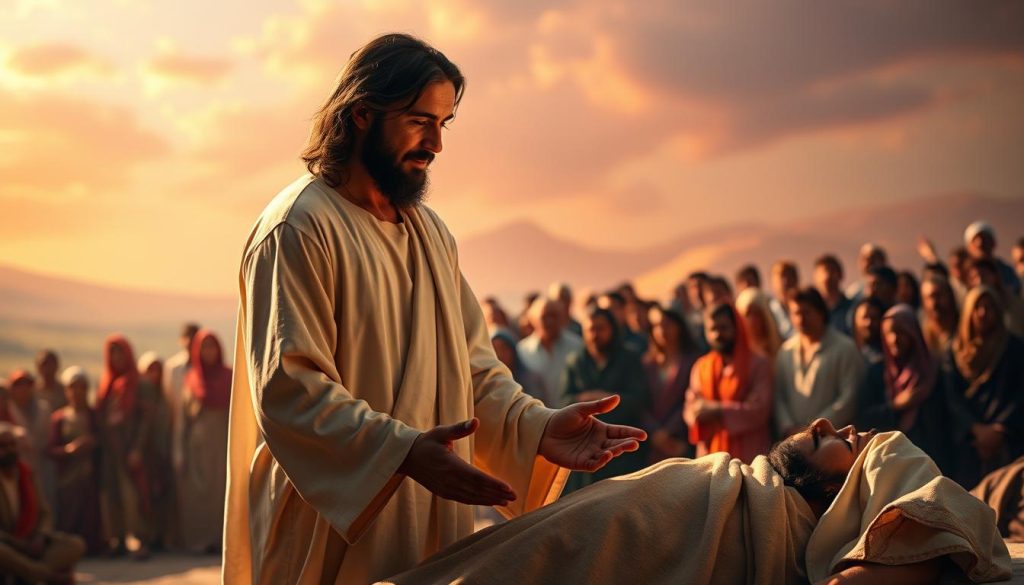
These miracles show Prophet Isa’s special status and prove Allah’s power and wisdom in Islam.
The Symbolic Significance of Isa’s Name
The name Isa has deep meaning in Islamic thought, going beyond its simple meaning. This importance comes from the spiritual and metaphorical views of Isa’s life and mission.
Spiritual Connotations in Islamic Thought
In Islamic tradition, Isa is seen as a key figure. He is a symbol of divine mercy and guidance, and his name reflects his qualities of compassion and enlightenment.
Metaphorical Interpretations by Scholars
Scholars have given Isa’s name many metaphorical meanings. They link it to themes of salvation, spiritual renewal, and fighting against injustice. These views highlight Isa’s complex role in Islamic theology.
Sufi Perspectives on Isa
Sufi thought focuses on faith’s inner dimensions. It offers a deep understanding of Isa’s symbolic meaning. Sufis see Isa as a symbol of spiritual purification and divine love.
Through these views, Isa’s name is a powerful symbol. It touches believers on many levels, from the literal to the deeply spiritual.
Regional and Cultural Variations of the Name
The name Isa is spelt and pronounced differently in various Muslim cultures. This shows the wide range of cultures and places in the Muslim world.
Usage Across Different Muslim Communities
In different places, the name Isa is used in different ways. It might be more common in religious settings in some areas. In others, it’s a regular name for babies.
Pronunciation and Spelling Differences
The way Isa is said and written changes a lot between cultures. Turkish, Persian, and South Asian cultures have their own special ways of saying it, showing their unique languages.
Turkish, Persian, and South Asian Variations
In Turkey, people say “İsa.” In Iran, it’s “Esa.” In South Asia, you might hear “Isa” or “Aisa.” Here’s a quick look at how it’s different:
| Culture | Pronunciation | Spelling |
|---|---|---|
| Turkish | İsa | İsa |
| Persian | Esa | عیسی |
| South Asian | Isa/Aisa | Isa/عيسى |
These differences show the rich diversity in the Muslim world. They prove that one name can mean many things in different places.
Isa in Islamic Calligraphy and Art
The name Isa is often seen in Islamic calligraphy, showing its importance. Islamic calligraphy is more than art; it’s a way to show respect and spirituality. The many ways Isa’s name is shown in calligraphy highlight its role in Islamic culture.
Traditional Artistic Representations
In traditional Islamic art, Isa’s name is often in detailed designs. These designs are not just beautiful but also hold deep spiritual meaning. They show the high respect Isa is held in Islamic tradition.
Calligraphic Expressions of His Name
Isa’s name is shown in many calligraphic styles, each with its own look. Calligraphy is valued in Islamic culture, and Isa’s name is a key part.
Popular Styles Used for Isa’s Name
Popular styles for Isa’s name include Diwani, Naskh, and Thuluth. Each style has its own special features, and the choice of style depends on the artwork’s purpose and setting.
Significance in Islamic Wall Art
Isa’s name is a common theme in Islamic wall art, found in homes and mosques. It reminds people of his importance in Islamic belief and the role of calligraphy in Islamic art.
| Calligraphic Style | Description | Significance |
|---|---|---|
| Diwani | A highly ornate style, often used for decorative purposes. | Used to add elegance and beauty to the representation of Isa’s name. |
| Naskh | A clear and legible style, commonly used for texts. | Preferred for its readability, making it accessible for devotional purposes. |
| Thuluth | A majestic style characterised by large, flowing letters. | Often used to convey grandeur and reverence for Isa’s name. |
The Name Isa in Contemporary Muslim Society
Isa is a name with deep meaning in today’s Muslim world. It’s used extensively, showing its lasting importance and how it fits into many cultures.
Usage as a Personal Name Today
In many Muslim families, Isa is a name filled with spiritual meaning. Parents pick it to honour Prophet Isa and teach their kids spiritual values. Its lasting appeal comes from its rich history and faith ties.
Cultural and Religious Significance
The name Isa carries a lot of weight in culture and faith. It links people to Islamic traditions and the values of the Prophet Isa. It also reminds us of our shared roots with Christianity and Judaism.
Popularity Trends in Different Regions
Isa’s popularity changes in different places. In some areas, it’s a common name. In others, its fame has grown or decreased over time.
| Region | Popularity Trend | Cultural Significance |
|---|---|---|
| Middle East | Steady | High |
| South Asia | Increasing | Moderate |
| North Africa | Varies by Country | High |
Looking at these trends, Isa remains a key name in Muslim society today. It shows a mix of faith and cultural identity.
Common Misconceptions About Isa (Jesus)
Understanding Isa means clearing up common misunderstandings. These come from different views in Islam and Christianity about his nature and mission. We will look at these differences and share insights from Islamic scholarship to clear up these myths.
Misunderstandings Between Islamic and Christian Views
One big misunderstanding is about Isa’s divinity. Christians see him as the son of God, while Muslims see him as a prophet. This difference leads to many other misunderstandings, like the Trinity, which Muslims do not accept. For more on the prophetic lineage, including Isa, check out our article on the family tree of all the prophets.
Clarifications from Islamic Scholarship
Islamic scholars say Isa is a highly respected prophet known as Ruhullah (Spirit of God). His miraculous birth and miracles are mentioned in the Quran. This shows his role as a messenger of God.
Addressing Historical Confusions
Confusions about Isa often result from a lack of understanding of his historical context. By studying the Quran and Islamic history, we can better understand Isa’s importance in Islam.
We know there are big differences in belief. But through education and talking, we can improve understanding between Islamic and Christian views on Isa. By clearing up these misconceptions, we hope to offer a deeper understanding of this key figure.
Conclusion
We’ve looked into the rich history and cultural importance of the name Isa. This name is highly respected in Islamic theology. It’s seen as a symbol of Jesus in Christianity, loved by Muslims all over the world.
The name Isa carries more than just a name. It has a deep history, spiritual meaning, and many interpretations. This makes it special and meaningful.
The name Isa is used in many ways, showing great respect for the prophet. It comes from Aramaic and Arabic, and is mentioned in the Holy Quran. This shows its spiritual value.
Knowing the meaning and importance of Isa helps us understand Islam’s view of Jesus. It shows his role in the faith.
In conclusion, Isa is a name that connects different religions. It shows shared values and a common heritage. The isa significance inspires faith and promotes understanding between religions.