



Third Pillar of Islam
Third Pillar of Islam, As Muslims worldwide practice their faith, one of the fundamental aspects is Zakat, or almsgiving. It’s a powerful way to cultivate compassion and community among believers. Incorporating Islamic art into our daily lives can be a beautiful expression of our faith.
For many Muslims, Zakat is more than just a financial act; it’s a spiritual one that deepens their connection with Allah. By understanding and practising Zakat, we can foster a sense of unity and shared values. At https://islamicwallarts.co.uk/, we see how Islamic art can be a meaningful way to express our faith and decorate our homes.
Key Takeaways
- Zakat is the third of the Five Pillars of Islam, focusing on almsgiving to support those in need.
- Islamic art can be a beautiful expression of faith and a way to deepen one’s connection with Allah.
- Practising Zakat fosters a sense of community and compassion among Muslims.
- Incorporating Islamic art into daily life can be a meaningful way to express faith and decorate homes.
- Understanding Zakat can help Muslims deepen their faith and connection with Allah.
The Third Pillar of Islam: Zakat Explained
Zakat is the third pillar of Islam. It helps purify one’s wealth and soul. It’s a key part of being a Muslim.
Understanding Zakat is important for Muslims everywhere. It brings the community together and shows compassion.
Quranic References to Zakat
The Quran talks a lot about Zakat. For example, in Surah Al-Baqarah, verse 43, it says: “And establish prayer and give Zakat, and bow with those who bow [in worship and obedience].” This shows Zakat’s importance alongside prayer.
In Surah Al-Hajj, verse 41, it’s written: “[They are] those who, if We give them authority in the land, establish prayer and give Zakat and enjoin what is right and forbid what is wrong.” These verses highlight Zakat’s role in Islam.
Giving Zakat is more than a religious duty. It helps the community and supports those in need. It’s about sharing wealth fairly.
Zakat is not just charity. It’s a core part of Islam that helps people grow spiritually and builds a strong community.
Spiritual Significance of Zakat
Giving Zakat is very important. It helps purify and enlighten the soul in Islamic practices. By giving Zakat, Muslims help those in need and clean their hearts from greed.
Zakat is key to a Muslim’s spiritual growth. It deepens their connection with Allah. It shows gratitude for blessings and reminds that all belongs to Allah.
Purification of Wealth and Soul
Zakat cleanses both wealth and soul. Giving a part of their wealth, Muslims purify what’s left. This act is believed to:
- Purify the soul from greed and material attachment
- Cleanse wealth, making the remaining amount halal (lawful) and blessed
- Foster a sense of community and compassion among Muslims
Through Zakat, Muslims gain spiritual awareness and peace. It reminds them that wealth is a trust from Allah, and distributing it is a sacred duty.
Zakat is more than charity; it’s a core part of Islamic faith. It strengthens a Muslim’s spiritual foundation. By making Zakat part of their lives, Muslims see a big spiritual impact.
Who Must Pay Zakat?
Muslims must decide whether to pay Zakat, a key part of Islam’s third pillar. It’s required for those who have enough wealth.
To pay Zakat, you need to have a certain amount of wealth, called nisab. This amount depends on the type of wealth you have, such as gold or silver.
Eligibility Criteria for Zakat
There are a few essential things to know about Zakat:
- You must have more wealth than the nisab threshold.
- Your wealth must be something that Zakat applies to, like gold, silver, or animals.
- You must have more wealth than you need and any debts you owe.
- Your wealth must have been yours for a year, called hawl.
It’s crucial for Muslims to know how much wealth they have. They need to understand the nisab to see if they must pay Zakat. This means looking at all their assets and debts.
Knowing these rules helps Muslims pay Zakat. This act helps their community and cleanses their wealth and soul.
Calculating Zakat: Methods and Rates
Calculating Zakat is key in Islamic practices. It means figuring out how much extra wealth you have and applying a 2.5% rate. This way, Muslims meet their duties as part of the five pillars of Islam.
To start, you need to know what wealth is subject to Zakat. This includes cash, gold, silver, goods, and animals. Then, you must find out the nisab, the minimum wealth Zakat needs. This is about 3 ounces of gold or 21 ounces of silver today.
Modern Calculation Tools and Resources
Today, we have many tools to make Zakat easier. You can find online Zakat calculators on many Islamic websites and apps. These tools help you enter your wealth and instantly show how much Zakat you owe.
If you like doing things by hand, there are Zakat worksheets too. These worksheets help you break down your wealth into different types and show the Zakat rates for each.
| Type of Wealth | Zakat Rate | Nisab Threshold |
|---|---|---|
| Cash and Savings | 2.5% | Equivalent to 3 ounces of gold |
| Gold and Silver | 2.5% | 21 ounces of silver or 3 ounces of gold |
| Merchandise for Trade | 2.5% | Equivalent to 3 ounces of gold |
Muslims can use these modern tools to ensure their Zakat is right and easy to do. This not only meets their religious duties but also helps the community.
Zakat al-Fitr: The Special Charity of Ramadan
In the holy month of Ramadan, Zakat al-Fitr is given to those in need. It shows the true spirit of giving and caring. This charity is usually food, so everyone can enjoy the joy of Ramadan.
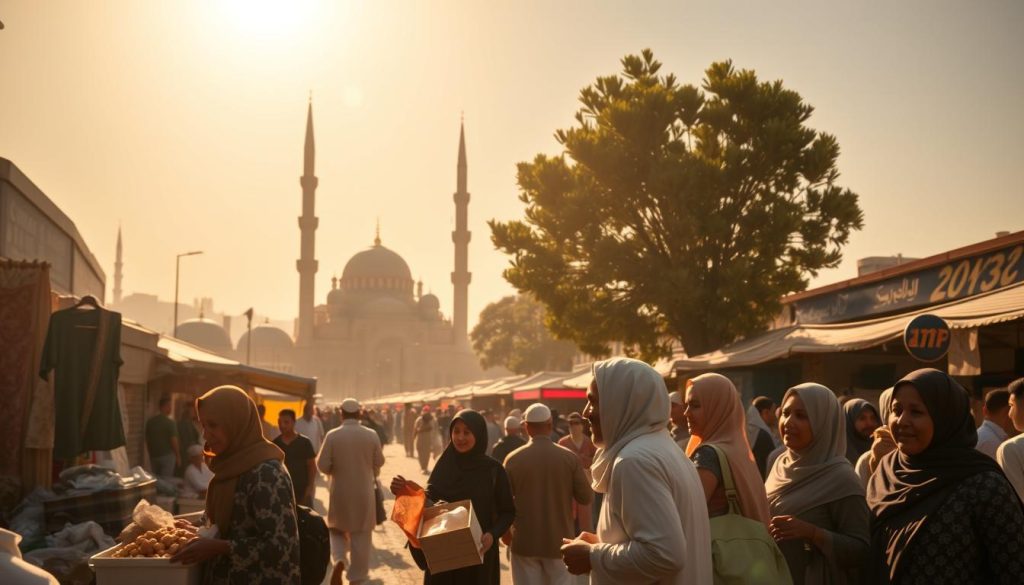
Zakat al-Fitr is more than just giving. It cleanses us from any mistakes made during our fast. It also helps the poor, showing our dedication to kindness and unity.
The Eight Categories of Recipients in Islamic Law
Islamic law says Zakat should go to eight groups based on the Quran. These groups ensure that Zakat al-Fitr helps those who need it most.
- The poor (Fakir)
- The needy (Miskin)
- Those employed to collect and distribute Zakat
- Those whose hearts are to be reconciled
- Slaves or captives
- Debtors
- Those in the cause of Allah
- Wayfarers or travellers
Priority Distribution Guidelines
When giving out Zakat al-Fitr, follow some rules. This ensures it goes to those who need it. Could you give it first to those in your local community most in need?
Key considerations include:
- Assessing the local community’s needs
- Ensuring transparency in distribution
- Giving preference to the poor and the needy
By following these guidelines, Muslims can make Zakat al-Fitr meaningful. It helps create a more caring and fair world during Ramadan and always.
Socioeconomic Impact of Zakat
Zakat has a big impact on society, making wealth more evenly spread. It’s one of the five main parts of Islam. Zakat is more than just giving to charity; it’s a way to fight poverty and make things fair for everyone in Muslim communities.
Zakat helps the economy by moving money from the rich to the poor, boosting the economy. The poor, who get Zakat, spend it right away, putting money back into the economy.
Economic Circulation and Wealth Distribution
Zakat ensures that wealth moves around in the community. This movement helps everyone, making the poor’s money go further. It also helps local businesses grow and the economy improve.
To see how Zakat changes wealth, let’s look at a table:
| Category | Pre-Zakat Wealth Distribution | Post-Zakat Wealth Distribution |
|---|---|---|
| Wealthy Individuals | 60% | 50% |
| Middle Class | 30% | 35% |
| Less Fortunate | 10% | 15% |
Zakat helps close the wealth gap by moving money from the rich to the poor, making the economy more balanced.
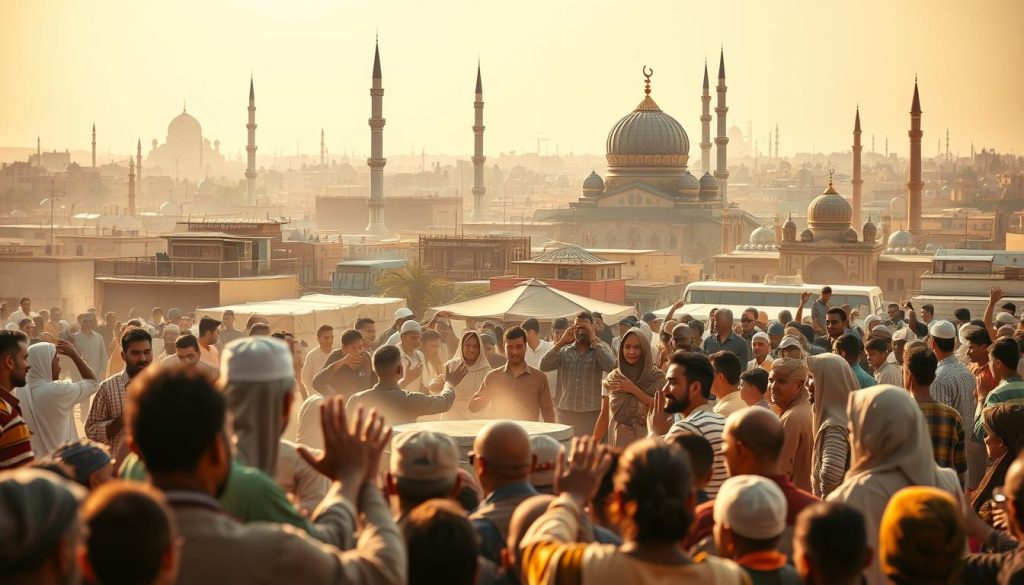
In short, Zakat has a big effect on society. It changes Muslims’ religious and economic lives, helping to improve the economy and make society more just and caring.
Zakat vs. Sadaqah: Understanding the Difference
In Islam, Zakat and Sadaqah are two key ways to give to others. Zakat is required, while Sadaqah is optional. Both are important for helping the community.
Zakat is a must for Muslims who have enough wealth. It’s based on how much wealth you have. It’s the third pillar of Islam.
Sadaqah, on the other hand, is a choice to give whenever you want. You can give as much or as little as you like. It doesn’t follow the same rules as Zakat.
Combining Zakat and Sadaqah for Maximum Impact
Using both Zakat and Sadaqah can help the community. Zakat is a regular, required gift. Sadaqah lets you give freely and spontaneously.
Here are some ways to make a bigger difference:
- Give Zakat regularly to meet your charity obligation.
- Give Sadaqah often, even in small amounts, to add to your Zakat.
- Give Sadaqah when you see a need or crisis.
The table below shows the main differences and similarities between Zakat and Sadaqah:
| Characteristics | Zakat | Sadaqah |
|---|---|---|
| Obligation | Mandatory | Voluntary |
| Calculation | Based on Nisab and wealth type | No specific calculation |
| Timing | Usually given annually | Can be given at any time |
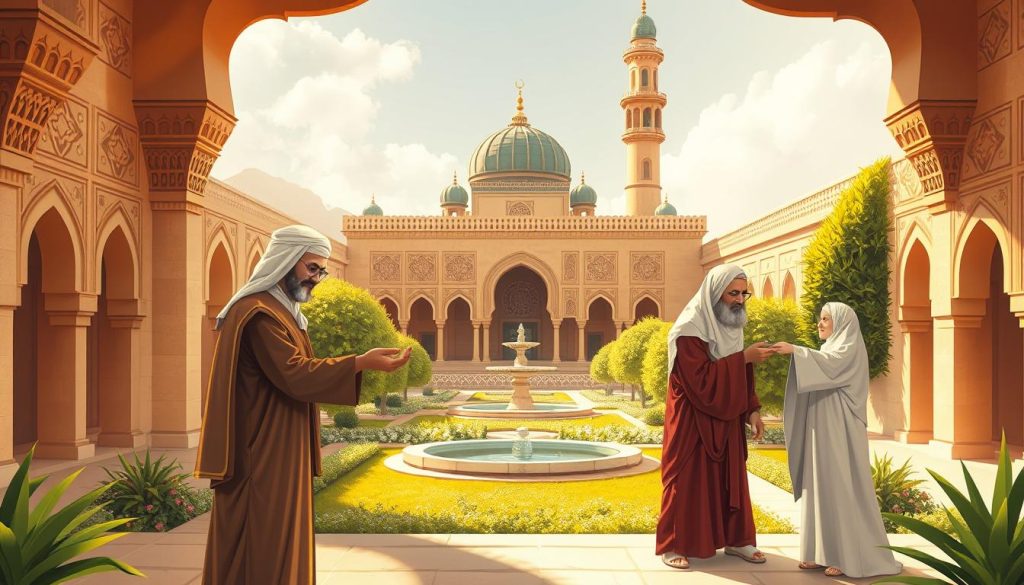
By using Zakat and Sadaqah together, Muslims can make a bigger difference. This helps those in need and strengthens the community.
Conclusion
Zakat, the third pillar of Islam, has a big impact on both the individual and the community. It helps with spiritual growth and community welfare. It shows the values of compassion and generosity.
When Muslims understand and perform their Zakat, they grow spiritually and help others around them. Zakat is a key part of being a Muslim.
Zakat is also linked to important Islamic beliefs like the hajj and pilgrimage. It shows the true spirit of Islam, which we can see in Islamic art and culture, like on https://islamicwallarts.co.uk/.
Living by our Islamic faith means embracing Zakat every day. This helps us become more compassionate and generous, improving our lives and the lives of others.