



The Islamic faith is based on practices that bring Muslims together. The Five Pillars of Islam are key to a Muslim’s life. They form the foundation of the faith.
Did you know millions of Muslims follow these pillars to show their faith? This shared practice brings unity and a shared identity. It includes prayer, fasting, charity, and pilgrimage.
We will dive deep into these pillars. We’ll see how they shape Islamic faith and daily guide Muslim practices.
Key Takeaways
- Understanding the significance of the Five Pillars in Islam.
- The role of each pillar in a Muslim’s daily life.
- How these pillars unite Muslims globally.
- The importance of charity and pilgrimage.
- Practices that strengthen faith and community.
Understanding Islam: Faith and Practice
At the heart of Islam are principles and practices that shape Muslims’ identity and spirituality. Islam is more than a religion; it’s a way of life. It guides followers in every part of their daily lives.
The Foundation of Islamic Faith
The Islamic faith is based on believing in one God (Allah) and the prophethood of Muhammad. This belief is shown in the Shahada, the declaration of faith. Islamic faith is built on sincerity, prayer, charity, fasting, and pilgrimage. These pillars form a framework for spiritual growth and community building.
Islamic principles aim to foster a deep spiritual connection with the divine. By following these principles, Muslims develop a strong moral compass and feel responsible towards themselves and their community.
| Pillar | Description | Significance |
|---|---|---|
| Shahada | Declaration of faith | Affirmation of belief in one God and the prophethood of Muhammad |
| Salat | Ritual prayer | Establishes a direct connection with Allah, fostering spiritual growth |
| Zakat | Obligatory charity | Promotes social justice and equality by supporting the less fortunate |
The Role of the Five Pillars in Muslim Life
The Five Pillars are not just rituals but key to Muslims’ spiritual lives. They form a foundation for spiritual growth, community building, and social responsibility. Practising the Five Pillars, Muslims reaffirm their faith and commitment to their community.
The Pillars shape Muslims’ daily lives, influencing their moral values and guiding their actions. They remind Muslims of the importance of living a virtuous life and striving for spiritual excellence.
The Five Pillars of Islam: An Overview
The Five Pillars of Islam are the core of the Islamic faith. They guide Muslims everywhere. These pillars are not just rituals; they are the heart of Islam.
Historical Context and Development
The Five Pillars started with the Prophet Muhammad. They were made to unite Muslims in their practices. The development of the Five Pillars was influenced by pre-Islamic Arabian customs and the teachings of Islam, blending tradition with divine guidance.
Despite changes over time, the Five Pillars have stayed the same. This shows their importance in keeping the Islamic faith strong and united.
Spiritual Significance in Islamic Theology
In Islamic theology, the Five Pillars help Muslims grow spiritually. They are a way to deepen faith, humility, and community. The spiritual significance of the Five Pillars lies in their ability to guide Muslims toward a righteous and virtuous life, in accordance with Islamic teachings.
Practising the Five Pillars brings peace and a stronger bond with the Muslim community. By observing these pillars, Muslims reaffirm their commitment to their faith and living a life of purpose and meaning.
Shahada: The Declaration of Faith
The Shahada is at the heart of Islamic faith. It’s a deep declaration that shows the religion’s core beliefs. It’s not just a statement; it’s a strong commitment to the faith, loved by Muslims worldwide.
The Meaning and Translation of Shahada
“Shahada” means “testimony” or “witness” in English. It’s a statement that shows the heart of Islamic belief. Muslims say it every day to remember their faith’s main points.
The Two Parts of the Shahada
The Shahada has two main parts:
- “There is no god but Allah” – This part shows Islam’s belief in one God.
- “Muhammad is the Messenger of Allah” – This part says Muhammad is Islam’s prophet, sent to share God’s message.
When the Shahada is Pronounced
The Shahada is said at big moments in a Muslim’s life. It’s said when converting to Islam, during daily prayers, and when reaffirming faith. It shows a Muslim’s strong commitment to their faith.
The Significance of Monotheism in Islam
Monotheism is key in Islam, and the Shahada is its base. It says there’s only one God, no others. This belief is crucial for understanding Islam’s teachings and practices.
Shahada in Daily Muslim Life
In everyday life, the Shahada is more than a phrase. It’s a living promise that guides a Muslim’s actions and beliefs. It’s said in prayers and thought about in good times and bad. The Shahada reminds Muslims of their promise to God.
| Aspect | Description | Significance |
|---|---|---|
| The Two Parts | Affirmation of monotheism and prophethood | Foundation of the Islamic faith |
| Pronouncement | Recited during conversion, prayers, and affirmations | Symbolises commitment to faith |
| Daily Life | Recited in prayers and reflected upon in daily life | Guides actions and beliefs |
Salat: The Ritual Prayer
In Islam, Salat, or the ritual prayer, is a key act of worship. It connects Muslims with Allah. It’s one of the Five Pillars of Islam and is very important in a Muslim’s daily life.
The Five Daily Prayers and Their Timing
Salat is done five times a day, at specific times. These prayers are a must and remind Muslims of their faith and commitment.
Fajr, Dhuhr, Asr, Maghrib, and Isha Prayers
The five daily prayers are Fajr (dawn), Dhuhr (noon), Asr (afternoon), Maghrib (sunset), and Isha (night). Each prayer has its own timing, based on the sun’s position.
| Prayer Name | Timing |
|---|---|
| Fajr | Dawn |
| Dhuhr | Noon |
| Asr | Afternoon |
| Maghrib | Sunset |
| Isha | Night |
Prayer Direction (Qibla) and Its Importance
The direction of prayer, known as Qibla, is towards Mecca. Muslims face this direction during prayer. It shows unity and the global Muslim community’s connection to a central point of worship.
The Physical and Spiritual Elements of Prayer
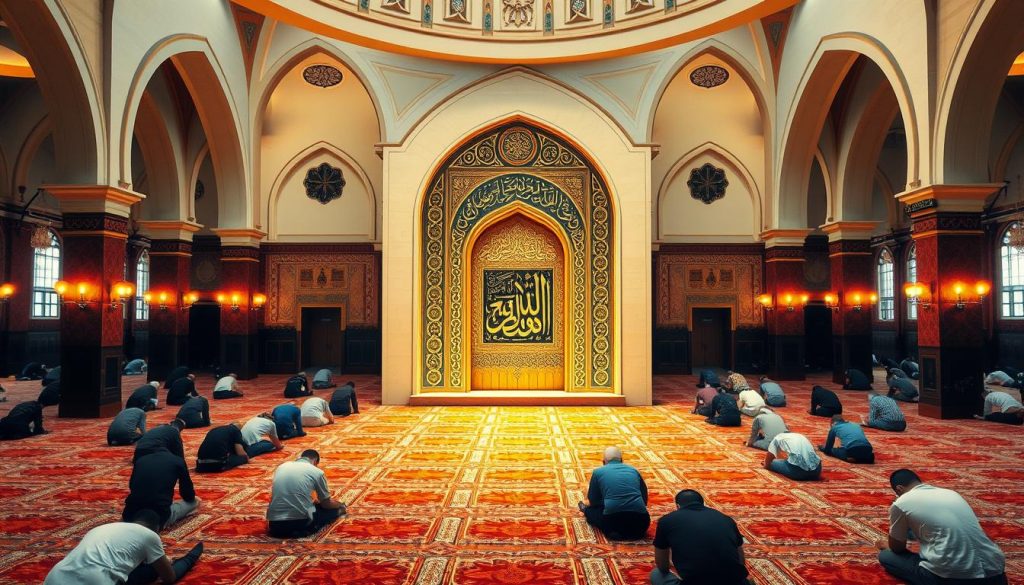
Salat includes physical movements and spiritual reflections. The physical acts are standing, bowing, and prostrating. The spiritual elements are reciting Quran verses and supplications.
The physical and spiritual parts of Salat work together. They help create a deep connection between the individual and Allah. This connection is believed to purify the soul and bring peace.
Congregational Prayer and American Mosques
Congregational prayer is key, mainly on Fridays. In the U.S., mosques are central places for Muslims. They provide a space for communal prayer and activities.
Congregational prayer strengthens Muslim bonds, promoting unity and cooperation. American mosques are crucial in supporting this communal aspect of Salat.
Zakat: Obligatory Charity
Zakat is a key part of Islam, requiring giving to those in need. It’s a way to share wealth and help others. This act builds a sense of community and kindness.
The Purpose and Calculation of Zakat
Zakat aims to help the poor by sharing wealth. It’s based on how much wealth someone has.
The 2.5% Standard and What Wealth is Zakatable
Zakat is 2.5% of extra wealth, such as savings and investments. However, not all wealth is Zakatable. Homes and cars for personal use are usually not included.
When Zakat Becomes Obligatory
Zakat is needed when one’s wealth reaches a certain level, and it is called nisab. This amount is based on gold or silver values. Once reached, Zakat is owed on the extra wealth.
Recipients of Zakat in Islamic Tradition
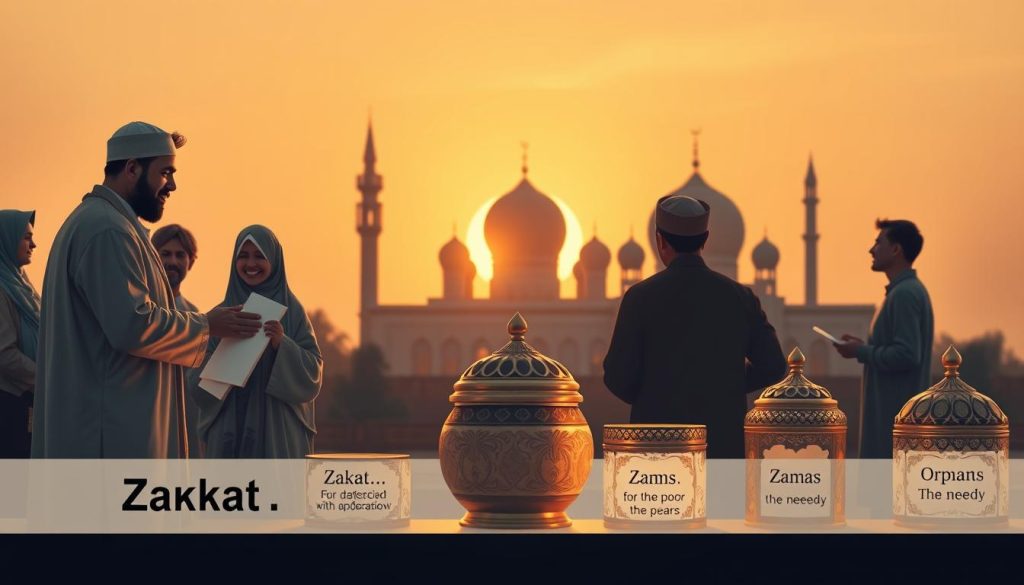
There are eight groups that Zakat helps, like the poor and those in debt. Zakat aims to support those in financial need and fight for justice.
Zakat Organisations in the United States
In the U.S., groups help with Zakat, making giving easier. They work with local communities to find and help those in need.
| Zakat Organization | Location | Services |
|---|---|---|
| Islamic Relief USA | Alexandria, VA | Disaster relief, food assistance, and orphan support |
| Zakat Foundation of America | Worth, IL | Humanitarian aid, community development, emergency relief |
| Helping Hand for Relief and Development | Downers Grove, IL | Disaster response, food aid, health services |
Sawm: Fasting During Ramadan
Sawm, the Islamic practice of fasting during Ramadan, is a deeply personal and communal experience. It strengthens faith and community bonds and is a time for spiritual reflection, growth, and renewal for Muslims worldwide.
The Spiritual Benefits of Fasting
Fasting during Ramadan is more than just not eating or drinking. It’s about self-control, empathy, and compassion. Muslims feel hunger and thirst, gaining a deeper understanding of those less fortunate. This fosters a sense of community and social responsibility.
The spiritual benefits include increased mindfulness and devotion. Muslims focus on their faith and spiritual growth. It’s also a time for introspection and self-reflection, which allows individuals to reevaluate their priorities and behaviours.
Rules and Exemptions for Fasting
Fasting during Ramadan has specific rules and exemptions. Muslims who are physically or mentally capable fast from dawn until sunset.
Who is Exempt from Fasting
Certain individuals are exempt from fasting. This includes children before puberty, the elderly, and those with certain medical conditions. Pregnant or breastfeeding women, and travelers, may also be exempt or allowed to make up missed fasts later.
Making Up Missed Fasts
Those who miss fasting for valid reasons must make up the missed days. This can be done later. It ensures that the individual completes the required number of fasting days.
Ramadan Observance in American Muslim Communities
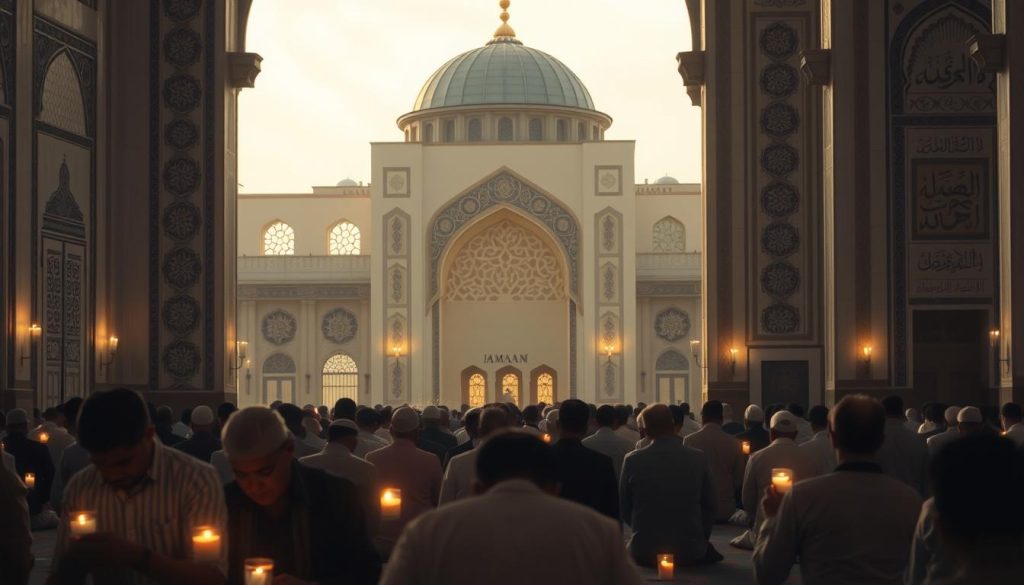
In the United States, Ramadan is observed with a mix of traditional practices and cultural adaptations. Mosques and Islamic centres play a vital role. They organise community events, including Iftar (break-fast) gatherings and Tarawih prayers. These activities strengthen bonds among community members and provide a sense of belonging.
| Aspect | Description | Significance |
|---|---|---|
| Spiritual Growth | Fosters self-control, empathy, and devotion | Deepens faith and personal reflection |
| Community Bonding | Iftar gatherings, Tarawih prayers | Strengthens community ties and sense of belonging |
| Rules and Exemptions | Specific guidelines for fasting and exemptions | Ensures inclusivity and feasibility for all Muslims |
Hajj: The Pilgrimage to Mecca
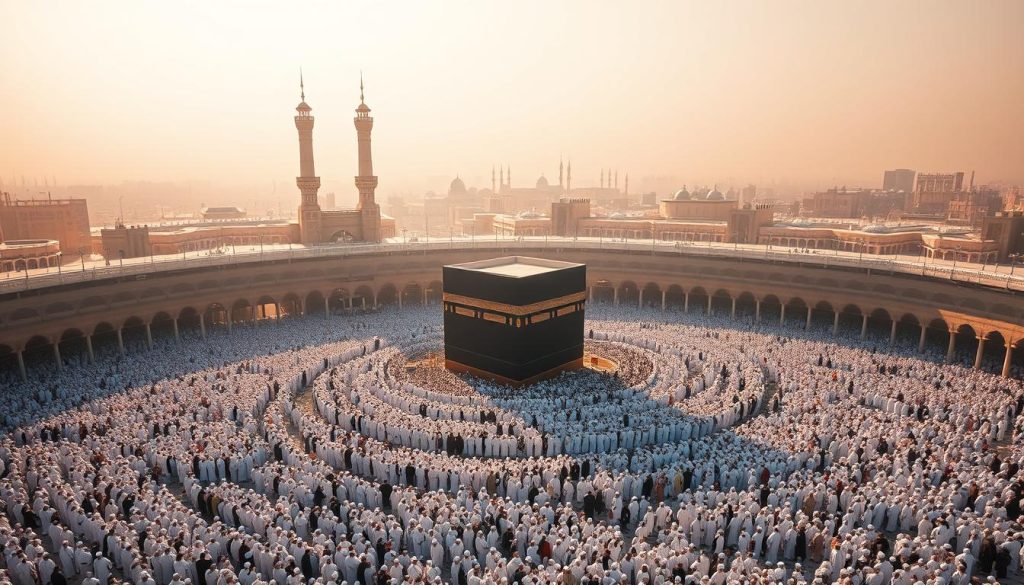
The Hajj is a key spiritual journey in Islam. It shows a lifetime of devotion and faith. It’s a once-in-a-lifetime trip for Muslims who can afford it, and it shows faith and unity.
The Rituals and Stages of Hajj
The Hajj has many stages and rituals. It starts with wearing the ihram. This simple garment shows unity and equality among pilgrims.
Ihram, Tawaf, Sa’i, and Other Key Rituals
Then, pilgrims do Tawaf, circling the Kaaba seven times. They also do Sa’i, walking between hills. These acts remember Prophet Ibrahim and his wife Hagar.
The Day of Arafah and Eid al-Adha
The Hajj peaks on the Day of Arafah. Pilgrims pray and seek forgiveness on Mount Mercy. This day ends with Eid al-Adha, a festival worldwide. It honors Prophet Ibrahim’s sacrifice.
Historical Significance of the Pilgrimage
The Hajj is deeply rooted in history, starting with the Prophet Ibrahim. It symbolizes Islamic unity and faith for centuries.
| Historical Period | Significance |
|---|---|
| Prophet Ibrahim’s Time | Establishment of the Kaaba and the Hajj rituals |
| Pre-Islamic Era | The Kaaba was a site of pilgrimage, though often associated with idolatry |
| Islamic Era | Purification of the Kaaba and re-establishment of the Hajj as a monotheistic pilgrimage |
American Muslims and the Hajj Experience
For American Muslims, the Hajj is deeply personal. It’s a journey to a deeper faith and community connection.
The Interconnection of the Five Pillars
In Islam, the Five Pillars are not just separate acts. They are deeply connected, shaping many parts of a Muslim’s life. Together, they form a system that guides Muslims in their faith and daily actions.
How the Pillars Reinforce Each Other
The Five Pillars of Islam work together to create a balanced life for Muslims. The Shahada (Declaration of Faith) is the base of the other pillars. It shapes a Muslim’s view on Salat (Prayer), Zakat (Charity), Sawm (Fasting), and Hajj (Pilgrimage).
By saying the Shahada, Muslims remember their duties to God and their community.
| Pillar | Reinforcement |
|---|---|
| Shahada | Foundation for other pillars |
| Salat | Daily reminder of faith and duties |
| Zakat | Cultivates generosity and compassion |
| Sawm | Enhances self-discipline and empathy |
| Hajj | Unites Muslims worldwide in worship |
Practising the Five Pillars in Contemporary Society
Living the Five Pillars in today’s world has its challenges. It’s hard to balance religious duties with everyday life. Yet, many Muslims find that these practices bring them closer to their faith and community.
(breakfast) gatherings during Ramadan create a sense of unity and support.
By understanding and practising the Five Pillars, Muslims can face today’s complexities while staying true to their faith. This approach to religion builds a strong, resilient community.
Conclusion: The Enduring Significance of the Five Pillars
The Five Pillars of Islam are the heart of the faith. They show the central beliefs and guide Muslims everywhere. By saying the Shahada, praying, giving to charity, fasting, and going to Hajj, Muslims show their faith.
These pillars help Muslims feel close to Allah and each other. They bring a sense of unity and connection, which is true across cultures and places.
In today’s world, the Five Pillars are still very important. They help guide Muslims through life’s ups and downs. Each pillar supports the others, making a complete way to live by faith. By following the Five Pillars, Muslims find balance, purpose, and spiritual growth every day.