



As Muslim families, we aim to grow our children’s faith and values. We find inspiration in Islamic heritage. The Prophet Muhammad (peace be upon him) once said, “Every child is born upon fitrah (natural instinct)”.
We mix traditional Islamic principles with modern parenting methods. This creates a space for spiritual growth and development. In this article, we share practical advice and inspiring stories. These help families build a strong Islamic identity.
Key Takeaways
- Practical tips for nurturing children’s faith and values
- Insights into Islamic parenting principles
- Strategies for creating a spiritually enriching home environment
- Guidance on balancing traditional and modern parenting approaches
- Inspirational stories from Islamic heritage
Understanding Islamic Principles in Parenting
Parenting with Islamic principles creates a caring space for kids to grow spiritually. We aim to raise our children with good morals and a strong faith.
At the core of Islamic parenting is faith in family life. A solid faith base is key for kids’ growth, helping them face life’s hurdles and make right choices. By living Islamic values daily, we enrich our children’s spiritual journey.
The Importance of Faith in Family Life
Faith shapes our kids’ identities and views of the world. It teaches them to be kind, honest, and respectful. By showing gratitude and patience, we teach our kids important lessons.
Integrating Islamic Values into Daily Routines
Adding Islamic values to our daily lives is easy and meaningful. Saying dua before meals and grace after can teach kids to be thankful. Reading Islamic stories together also strengthens these values.
These practices make our family life cohesive and supportive. They help our kids grow spiritually and morally. This strengthens their faith and our family bond, creating unity and purpose.
Nurturing a Positive Environment at Home
We think it’s key to make our homes welcoming and supportive for kids. A positive home environment is vital for their emotional and spiritual growth.
Creating a Welcoming Space for Children
To make a welcoming space, we must think about our kids’ physical and emotional needs. We need a clean, safe, and comfy home where they feel safe and loved. Adding beautiful calligraphy or Islamic art can make the space more spiritual.

It’s also important to have special areas for prayer and reflection. This helps kids connect with their faith early on.
Encouraging Open Communication
Good communication is the heart of a positive home. We should aim to make a space where kids can share their thoughts and feelings freely. This means listening well, showing empathy, and guiding without judging.
Having regular family talks about Islamic values is also key. For example, sharing Quran and Hadith stories can teach valuable lessons. It encourages kids to ask questions and seek advice.
| Tips for Encouraging Open Communication | Benefits |
|---|---|
| Active Listening | Builds trust and understanding |
| Regular Family Discussions | Strengthens family bonds and promotes Islamic values |
| Sharing Islamic Stories | Provides moral guidance and encourages spiritual growth |
By using these tips, we can build a supportive environment. This helps our kids grow strong in faith and values.
Emphasising Education and Knowledge
As Muslim parents, we know how important a good education is for our kids. They need to learn both secular and Islamic subjects. This helps them do well in school and work, and stay true to their faith.
Islamic education is key in teaching our children about their faith. It teaches them about Islam and helps them become moral and compassionate. By making Islamic studies a part of their day, we give them a strong spiritual base.
The Role of Islamic Education in Childhood
Islamic education in childhood is crucial for a lifelong faith commitment. It starts with the basics of Islam, like the Five Pillars. It then moves on to more complex topics.
Learning about the Prophets and Islamic history makes education fun and relevant. It teaches them about their faith and gives them role models to follow.
Balancing Secular and Religious Learning
One big challenge for Muslim parents is balancing secular and religious education. Both are important for success in school and in life. We can mix both into our children’s daily routines.
We can set aside time for each. Using resources from trusted Islamic institutions helps deepen their faith understanding. For more tips on balancing education, check out our guide on Islamic lifestyle.
| Aspect | Secular Education | Islamic Education |
|---|---|---|
| Focus | Academic and professional skills | Spiritual growth and faith |
| Importance | Crucial for career success | Essential for moral and spiritual development |
| Examples | Mathematics, Science, Literature | Quranic studies, Hadith, Islamic history |
By finding the right balance, we can raise kids who excel in school and are strong in faith. This approach is essential for being a better Muslim parent and raising capable, compassionate kids.
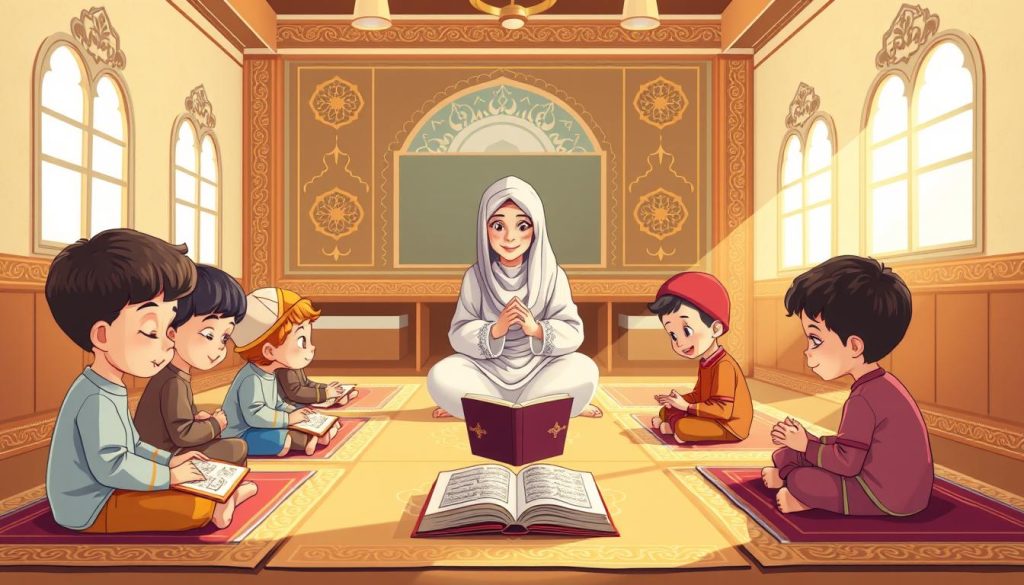
In conclusion, focusing on education and knowledge is crucial for us as Muslim parents. By teaching both secular and Islamic subjects, we equip our children for success in life. Let’s aim to be better Muslim parents by prioritising our children’s education and spiritual growth.
Building Strong Family Bonds
We think strong family bonds are key for a child’s emotional and spiritual health. As parents, we aim to make a caring space where love, respect, and understanding grow.
The Significance of Family Activities
Doing things together as a family is great for bonding and making memories. It can be as simple as eating dinner together or as fun as going on outings or playing games. Quality time together makes our relationships stronger and our family closer.
Here are some fun family activities:
- Having a family movie night with Islamic films or documentaries
- Going on outdoor adventures like picnics or playing sports
- Cooking meals together and trying new recipes
- Doing community service projects as a family
Celebrating Islamic Occasions Together
Celebrating Islamic events is crucial for family bonding. Events like Eid al-Fitr and Eid al-Adha let us come together, think about our values, and grow our faith. Making these times special by involving our kids in the fun is a great idea.
Here are ways to celebrate Islamic occasions together:
| Occasion | Activities | Benefits |
|---|---|---|
| Eid al-Fitr | Preparing traditional foods, decorating the home, attending Eid prayers | Enhances family bonding, teaches children about the significance of Eid |
| Ramadan | Fast together, engage in Taraweeh prayers, read Quran | Fosters empathy and understanding of the importance of fasting |
| Mawlid al-Nabi | Celebrate the Prophet’s birthday by learning about his life and teachings | Deepens understanding and love for the Prophet’s message |
By making these practices part of our lives, we can build stronger, more meaningful family ties. This helps our children become confident, caring, and well-rounded individuals.
Teaching Values through Stories and Examples
Stories are a great way to teach Islamic values to children. They grab young minds and make learning fun. This makes stories perfect for teaching important lessons.
Stories from the Quran and the lives of prophets teach us a lot. They show us the value of patience, honesty, and kindness. Sharing these stories helps our kids learn these lessons.
The Power of Prophetic Stories for Children
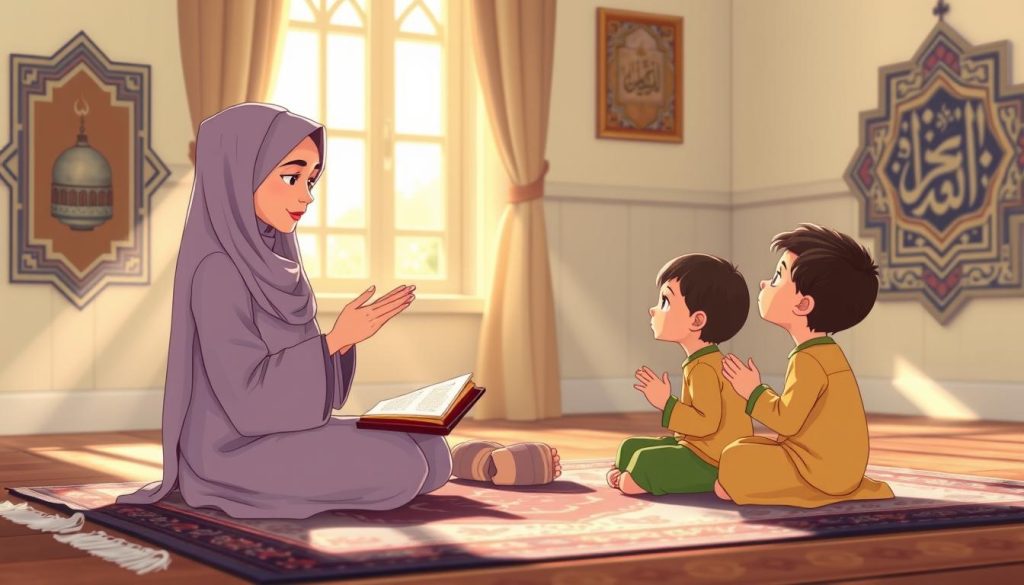
Prophetic stories are full of lessons on being good, staying strong, and believing. For example, the story of Prophet Yusuf (Joseph) teaches about jealousy and forgiveness.
These stories not only entertain but also teach kids how to face life’s challenges. By linking these stories to our kids’ lives, we guide them to make good choices.
Using Everyday Scenarios for Lessons
Everyday life is a great place to teach Islamic values. For instance, we can talk about being thankful and sharing during meals.
Real-life examples make Islamic teachings easier to understand. This makes values more relatable and accessible to our kids.
It’s important to encourage kids to think about their actions. This helps them develop empathy and see the value of being kind and respectful.
Instilling Respect and Kindness
Respect and kindness are key in Islam and vital for parenting. As Muslim parents, we aim to raise kids who know their faith well. We also want them to live it every day.
Encouraging Good Manners through Practice
Good manners show how well a child was raised, and Islam values them a lot. We can teach our kids good manners by being a good example. We should also give them chances to practice these values.
Actions like saying “please” and “thank you” are basic but important. Greeting others with respect and being polite are also key. By doing these things every day, our kids learn to be respectful and kind.
For example, asking kids to help with chores teaches them responsibility. It also shows respect for others’ hard work.
The Importance of Empathy in Parenting
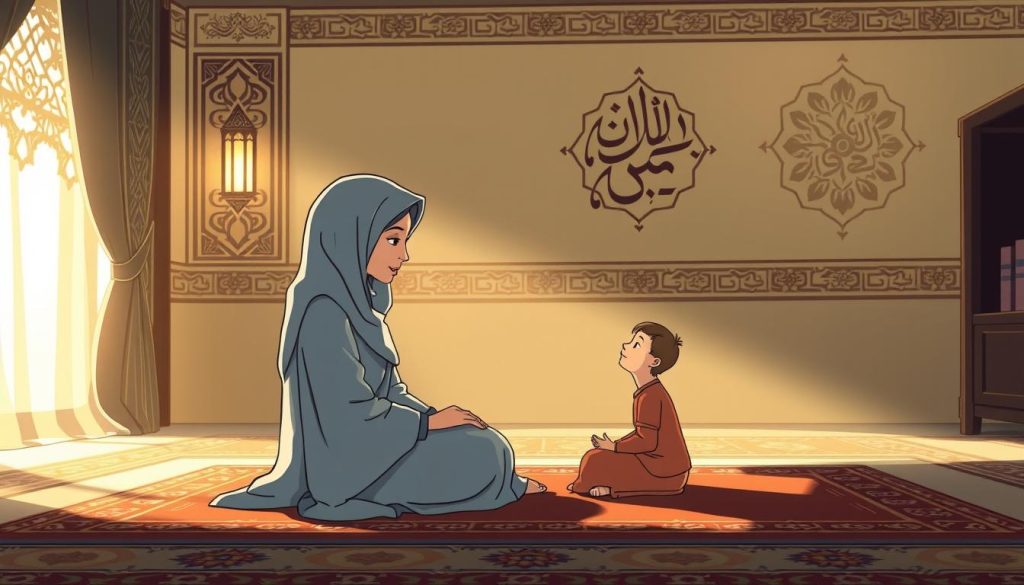
Empathy is a big part of Islamic teachings and is very important in parenting. Teaching our kids to understand and value others’ feelings makes them caring and compassionate. Empathy helps them build strong relationships and deal with social situations well.
To teach empathy, we can talk about different situations with our kids. We should ask them to think about how others might feel. This helps them understand others better and creates a more united community.
By focusing on respect, kindness, and empathy, we can raise a generation that lives by Islamic values. They will make a positive impact on society.
Fostering a Love for Prayer and Worship
Helping children love prayer and worship is key to their spiritual growth. As parents, we have a big role in this.
Introducing Prayer from an Early Age
Starting prayer with kids early can be very rewarding. It’s important to make it a positive and fun experience. We can include prayer in their daily routine, like before bed or during meals.
Using simple words helps kids grasp the value of prayer. We can tell them it’s a way to talk to Allah, say thanks, and ask for help.
Making Worship a Family Activity
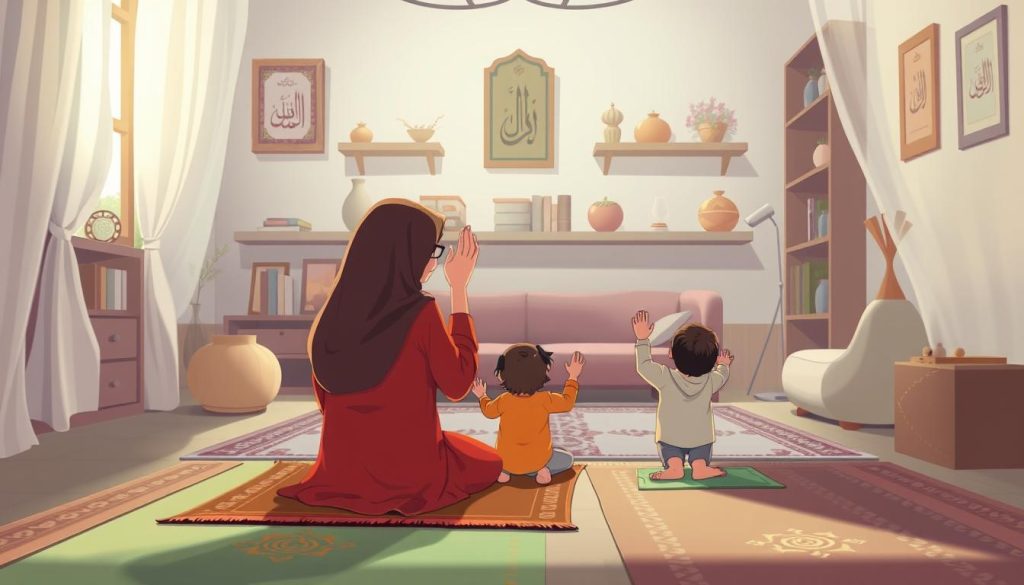
Worshiping together as a family can bond us and create memories. Doing prayers together teaches kids about unity and cooperation in Islam.
We can make worship more fun by doing things like reciting Quran together or talking about the prayers. This helps kids understand and appreciate worship more.
Benefits of Family Worship
- Strengthens family bonds
- Creates a sense of unity and cooperation
- Provides an opportunity to teach children about Islamic values
- Helps children develop a deeper understanding of worship
By encouraging a love for prayer and worship, we help our children grow spiritually. We also build a sense of community and shared purpose in our families.
“And enjoin prayer upon your family and be steadfast in it.” – Quran 20:132
This verse shows how important prayer is in our lives. It also reminds us of our role in teaching our kids to pray.
| Age Group | Approach to Introducing Prayer | Expected Outcome |
|---|---|---|
| 3-5 years | Simple explanations and making prayer fun | Develops a positive association with prayer |
| 6-10 years | Explaining the significance of prayer and involving them in prayer routines | Understands the importance of prayer and starts to develop a habit |
| 11+ years | Discussing the spiritual benefits of prayer and encouraging independent prayer | Deepens their understanding and commitment to prayer |
Guiding Children through Challenges
Children face many challenges, and it’s our job as parents to guide them. We should do this with Islamic teachings in mind.
Addressing Moral Dilemmas with Islamic Teachings
Islamic teachings are great for solving moral problems. We can use stories from the Quran and Hadith to teach our kids. These stories help them make good choices.
The story of Prophet Yusuf (Joseph) teaches us about integrity, forgiveness, and the effects of our actions. Talking about these stories with our kids helps them apply Islamic values in everyday life.
Key Islamic Values for Children
| Islamic Value | Description | Example from Islamic Teachings |
|---|---|---|
| Integrity | Being honest and having strong moral principles | The story of Prophet Yusuf (Joseph) |
| Compassion | Showing empathy and kindness towards others | The teachings on kindness to parents and neighbours |
| Responsibility | Taking accountability for one’s actions | The concept of accountability on the Day of Judgement |
Providing Support during Tough Times
When things get hard, our kids need us to be there for them. It’s important to be supportive and understanding.
We can use Islamic practices like du’a (supplication) and dhikr (remembrance of Allah) to comfort them. Encouraging them to pray in hard times helps build their faith and strength.
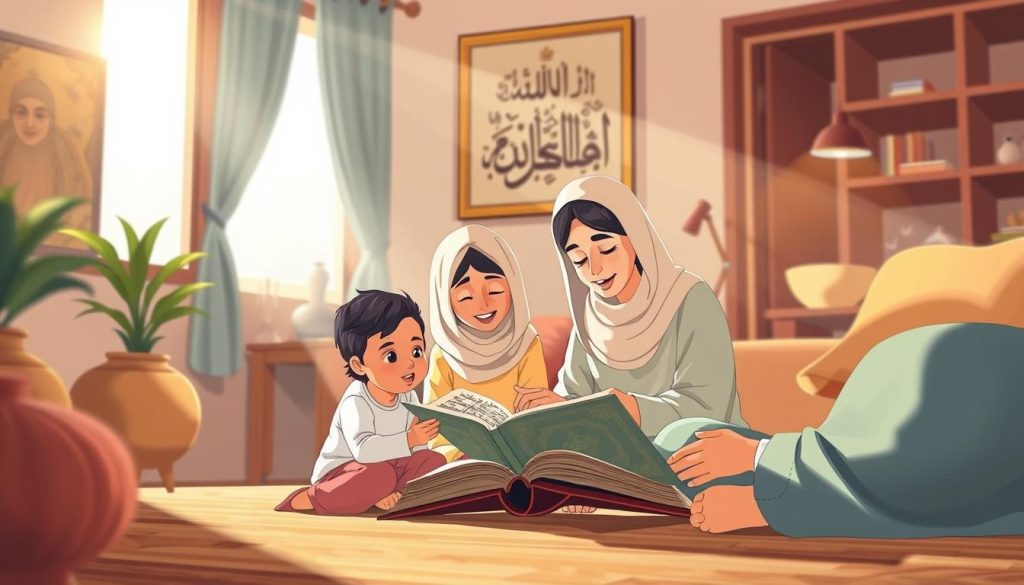
By mixing Islamic teachings with emotional support, we can help our kids face challenges with courage and integrity.
Encouraging Healthy Habits and Lifestyle
Teaching children healthy habits is key to a balanced family life in Islam. These habits improve their physical health and help their spiritual growth.
Nutrition according to Islamic Guidelines
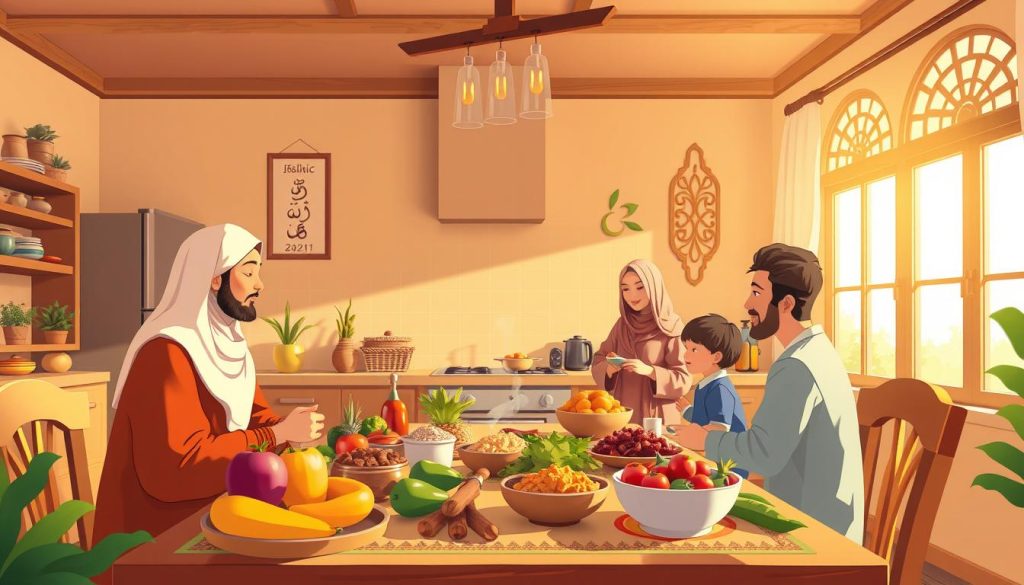
Islam has clear rules for eating well. The Quran and Hadith talk about eating good foods and avoiding bad ones. For example, Prophet Muhammad (peace be upon him) loved dates and olive oil for their health benefits.
Some main points of Islamic nutrition include:
- Eating halal foods that are good for health.
- Staying away from haram foods like pork and alcohol.
- Eating in balance and not too much, as Islam teaches.
The Prophet Muhammad (peace be upon him) once said,
“The best food is that which is simplest.”
Promoting Physical Activity and Well-being
Being active is also very important. Islam supports staying fit through sports, walking, and more. The Prophet Muhammad (peace be upon him) was strong and encouraged his friends to be active too.
To help with physical activity and health:
- Do outdoor activities together, like walking or biking, to bond and exercise.
- Teach kids sports and games that help them stay fit and work together.
- Make sure they get enough rest and balance, so exercise doesn’t hurt their recovery.
By doing these things, we can build strong family bonds and help everyone stay healthy. This shows the importance of positive parenting techniques in Islam.
Leading by Example
As Muslim parents, we know our actions are more powerful than words. They guide our children on their spiritual path. How we live our lives deeply affects our kids’ view of Islamic values.
Practising What You Preach
It’s key to live by the Islamic values we want to teach our kids. We must be careful with our actions, making sure they match Islamic teachings. For example, if we want our kids to pray often, we must pray regularly too.
Key aspects to focus on include:
- Honesty in our interactions
- Kindness to others
- Patience in the face of challenges
By living these values, we create a space for our children to learn from us.
Demonstrating Islamic Values in Daily Life
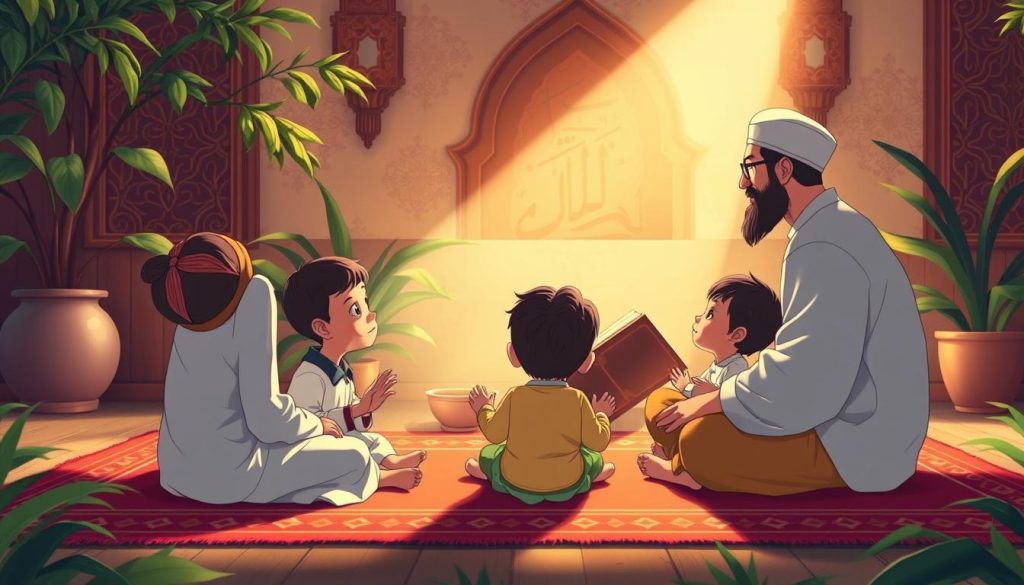
It’s important to show Islamic values in our daily life. Saying “Bismillah” before meals or thanking after receiving something are simple ways. These actions show our kids how Islamic teachings work in real life.
“The best way to teach your children good manners is to be a good example yourself.” – A wise reminder that encapsulates the essence of leading by example.
To show Islamic values well, we can use a simple plan:
| Value | Action | Benefit |
|---|---|---|
| Compassion | Volunteering together as a family | Fosters empathy and kindness |
| Respect | Using polite language and gestures | Encourages harmonious relationships |
| Self-discipline | Maintaining a regular prayer schedule | Strengthens faith and self-control |
By living these values, we teach our kids important Islamic lessons. We also become better Muslim parents, raising children who are devoted to their faith.
Continuous Learning and Improvement in Parenting
As parents, we aim to give our children the best upbringing, following Islamic teachings. Learning and getting better is key in this journey. It helps us teach our children Islamic values well.
Seeking Guidance from Renowned Islamic Scholars
We can learn from great Islamic scholars like Yusuf al-Qaradawi and Muhammad ibn Muhammad al-Munajjid. They share important insights for parents. Their advice helps us mix modern life with Islamic values.
Engaging with Community Parenting Initiatives
Joining community parenting workshops and projects is a great way to learn. We can share our experiences and gain from others. This teamwork creates a supportive space for learning how to raise children with Islamic values.
By always learning and being part of the community, we can be better parents. We create a caring environment that follows Islamic values.
FAQ
What are some effective ways to integrate Islamic values into daily routines?
We can add Islamic values to our daily lives by reading the Quran, saying daily prayers, and giving to charity. These actions help create a caring environment. It supports our children’s spiritual and moral growth.
How can we encourage our children to develop a love for prayer and worship?
Introduce prayer early and make it fun and meaningful. Involve the whole family in worship. This builds unity and a shared goal.
What role does Islamic education play in a child’s development?
Islamic education is key in shaping a child’s faith and values. It balances secular and religious learning. This gives children the knowledge and skills to thrive.
How can we teach our children Islamic values through stories and examples?
Use prophetic stories and everyday examples to teach Islamic values. This helps children understand and embrace these values deeply.
What are some ways to build strong family bonds and create lasting memories?
Engage in family activities and celebrate Islamic occasions like Eid and Ramadan. These actions strengthen family bonds and create unity.
How can we instil respect and kindness in our children?
Encourage good manners and teach empathy. This helps raise children who are kind and respectful to others.
What is the significance of leading by example in parenting?
Being a role model is vital in parenting. Show Islamic values in your actions. This helps raise pious and faithful children.
How can we continuously improve our parenting skills?
Seek knowledge from Islamic scholars and join parenting workshops. This makes you a better parent, nurturing Islamic values in your children.