



Understanding Allah’s Name AL-WAARITH
In a world where we strive to accumulate possessions and build legacies, Islamic theology offers a profound reminder through Allah’s beautiful name Al-Waarith (The Ultimate Inheritor). This divine attribute teaches us that all ownership is temporary, and everything returns to its original Owner. As the Quran states, “And indeed, it is We who give life and cause death, and We are the Inheritor” (Surah Al-Hijr 15:23).
Understanding Al-Waarith transforms our perspective on wealth, legacy, and purpose. It reminds us that our true worth lies not in what we possess, but in the eternal deeds we send forth. This exploration of Allah’s name as the Ultimate Inheritor invites us to reconsider our relationship with the material world and focus on building a legacy that transcends our earthly existence.
The divine name Al-Waarith in Arabic calligraphy symbolises Allah as the Ultimate Inheritor
The Linguistic Depth of Al-Waarith
The name Al-Waarith (الْوَارِثُ) derives from the Arabic root “waw-ra-tha” (و ر ث), which carries several interconnected meanings in classical Arabic. This root conveys the concepts of inheriting, becoming an heir, surviving after others, and becoming the owner or sustainer after someone’s passing.
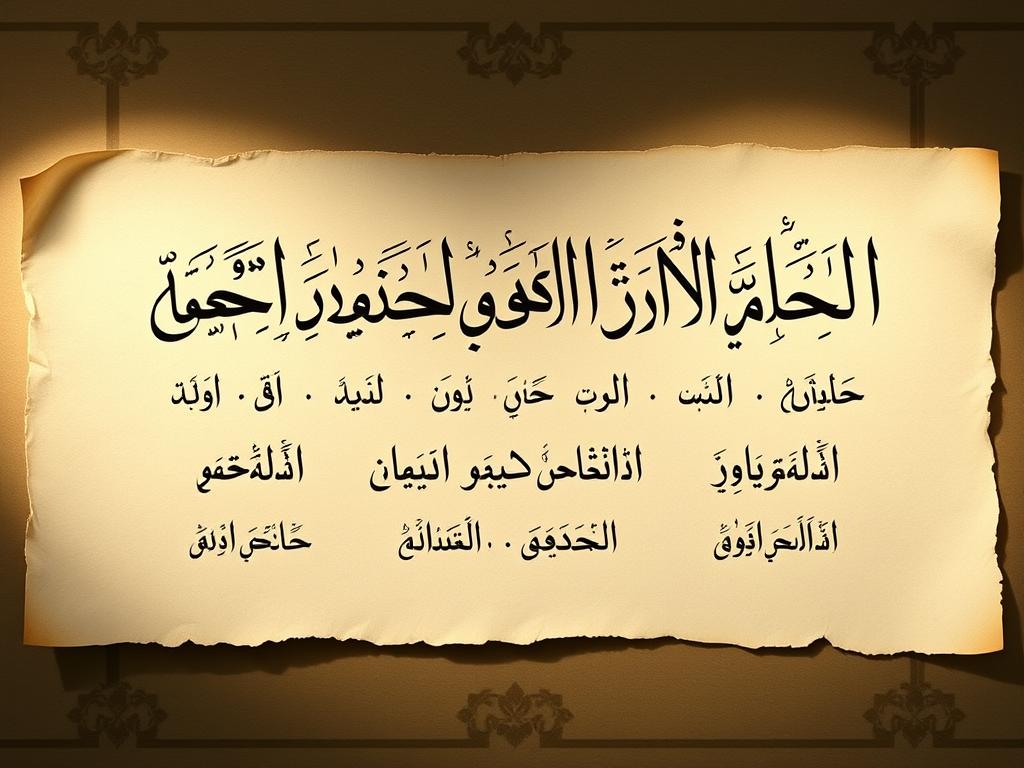
When we examine this name in its theological context, Al-Waarith refers to Allah as the One who remains after all creation perishes. Unlike human inheritance, which involves the transfer of ownership from one mortal to another, Allah’s inheritance is the return of all possessions to their original and rightful Owner.
“Verily, We will inherit the earth and whatsoever is thereon. And to Us they all shall be returned.” (Surah Maryam 19:40)
This verse powerfully illustrates that Allah is the ultimate heir to all existence. When creation ceases, everything returns to Him as the Eternal Owner. This understanding challenges our perception of ownership and reminds us that we are merely temporary custodians of what we possess.
Reflect on Your Role as a Custodian
Take a moment today to consider your possessions as a trust from Allah. How might this perspective change your relationship with material things?
Discover Practical ApplicationsAl-Waarith in the Noble Quran
Al-Waarith appears in the Quran in several key verses, each offering unique insights into this divine attribute. Understanding these references helps us grasp the full significance of Allah as the Ultimate Inheritor.
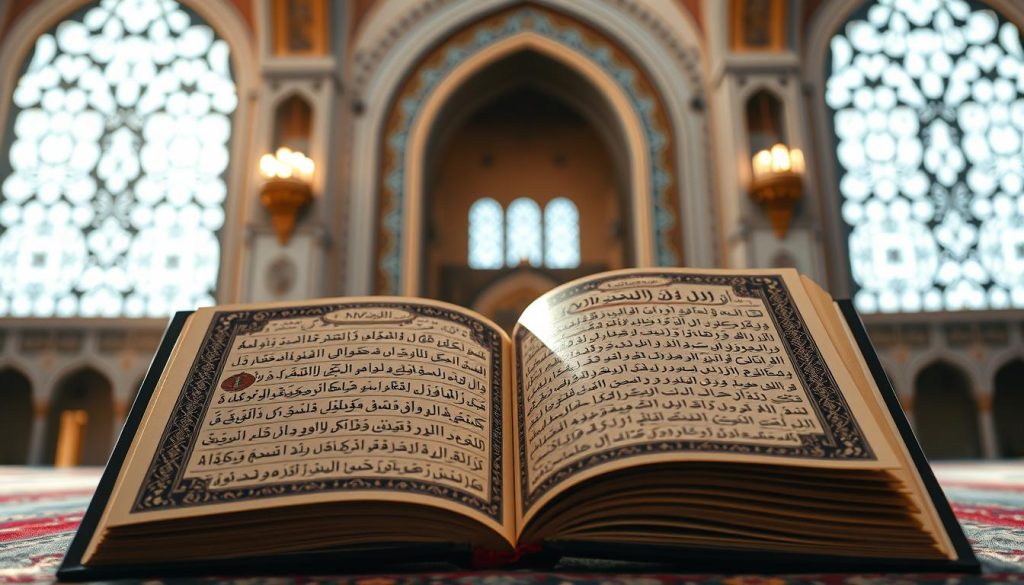
Key Quranic Verses Mentioning Al-Waarith
Surah Al-Hijr (15:23)
“And indeed, we give life and cause death, and we are the Inheritors.”
This verse connects Allah’s power over life and death with His attribute as Al-Waarith. It reminds us that just as He grants life, He also causes death, and ultimately everything returns to Him.
Surah Al-Anbiya (21:89)
“And (remember) Zachariah, when he called to his Lord: ‘O my Lord! Leave me not single (childless), though You are the Best of Inheritors.'”
Prophet Zachariah’s prayer acknowledges Allah as the Best of Inheritors even as he requests an heir. This demonstrates how even prophets recognized Allah’s ultimate ownership.
Surah Al-Qasas (28:58)
“And how many towns have we destroyed that were thankless for their means of livelihood! And those are their dwellings, which have not been inhabited after them except a little. And verily, We have been the Inheritors.”
This verse presents a historical lesson about civilizations that were ungrateful for Allah’s provisions. Their destruction left their dwellings uninhabited, with Allah as their ultimate Inheritor.
The Theological Significance
These verses collectively establish that Allah is Al-Waarith in multiple dimensions:
- He inherits all after creation perishes
- He is the original and ultimate owner of all possessions
- He remains after civilizations rise and fall
- He is the final destination to whom all things return
The Quranic portrayal of Al-Waarith invites believers to recognize the temporary nature of worldly ownership and to focus instead on deeds that have eternal value. This understanding forms the foundation for Islamic concepts of stewardship and responsible use of resources.
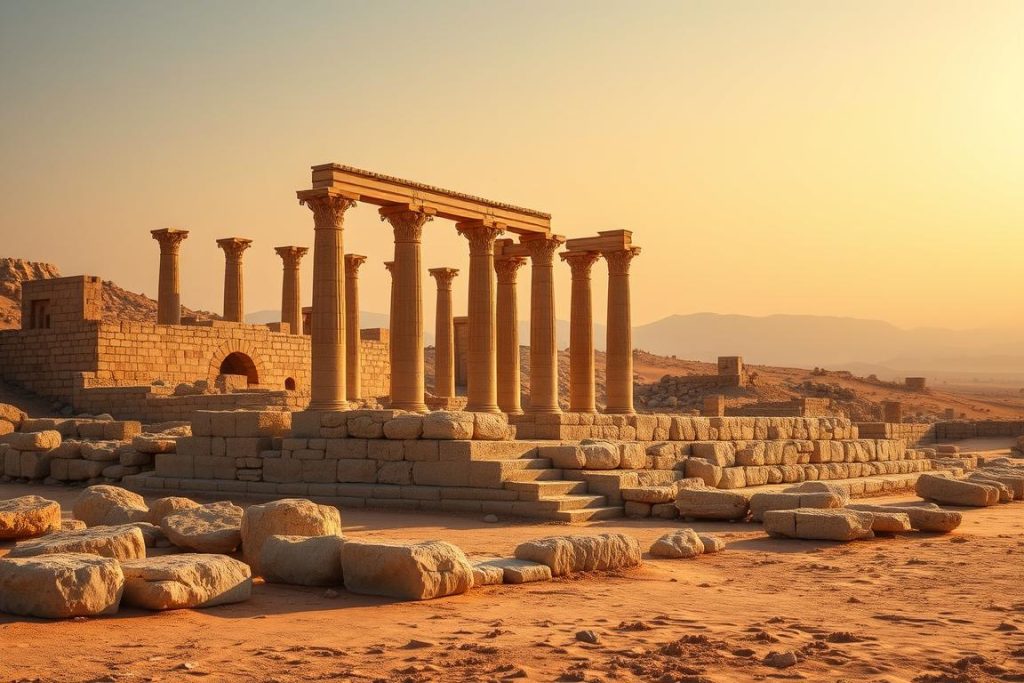
Ancient ruins symbolising civilisations that have perished, with Allah as their Inheritor
Divine Inheritance vs. Human Legacy
The concept of Al-Waarith creates a fascinating contrast between divine inheritance and human concepts of wealth and legacy. While humans strive to build lasting legacies through wealth, achievements, and descendants, Islamic theology reminds us that all these endeavours are temporary.
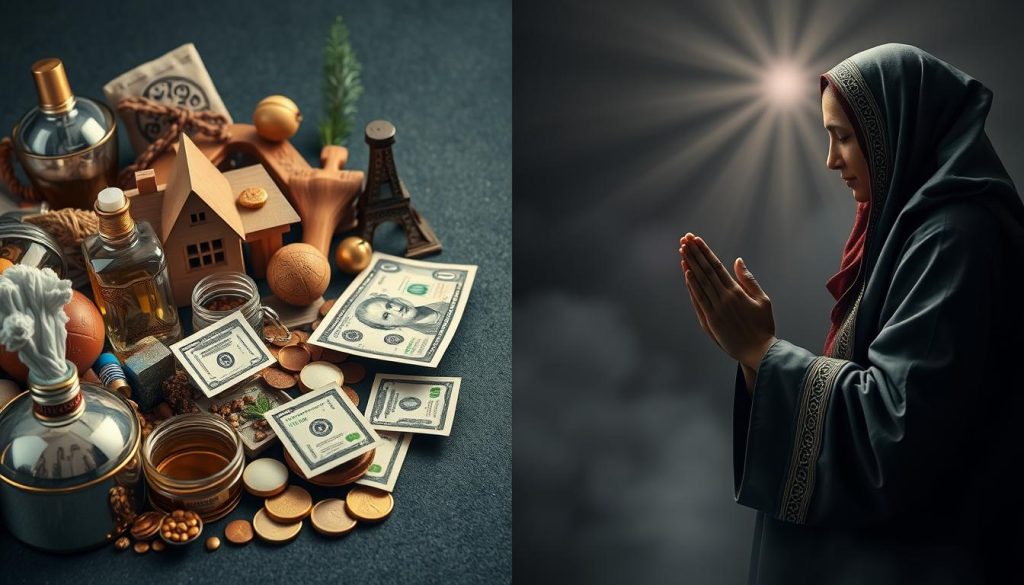
Human Inheritance
In human terms, inheritance involves the transfer of wealth, property, and possessions from one generation to the next. We accumulate assets during our lifetime and pass them to our heirs upon death. This system perpetuates the illusion of permanent ownership, even though ownership merely transfers from one temporary custodian to another.
Divine Inheritance
In contrast, Allah as Al-Waarith represents the ultimate reality that all ownership returns to Him. The Quran states: “To Allah belongs the heritage of the heavens and the earth” (Surah Al-Hadid 57:10). This divine perspective reveals that human ownership is merely temporary stewardship of what ultimately belongs to Allah.
The Prophet Muhammad ﷺ beautifully illustrated this concept when he said: “The son of Adam says: ‘My wealth, my wealth.’ (Whereas you have nothing) except what you eat and finish, or what you wear and wear out, or what you give in charity [to those who deserve it].” (Muslim)
Redefining True Wealth
Understanding Allah as Al-Waarith invites us to redefine what constitutes true wealth. Rather than measuring success by material accumulation, Islam encourages us to focus on three enduring legacies:
Sadaqah Jariyah (Continuous Charity)
These beneficial projects generate rewards even after death, such as building wells, establishing schools, or planting trees. The Prophet Muhammad ﷺ said: “When a person dies, all their deeds end except three: a continuing charity, beneficial knowledge, or a righteous child who prays for them.” (Muslim)
Beneficial Knowledge
Knowledge shared with others continues to benefit both the teacher and those who implement it. The Prophet ﷺ said: “Whoever teaches some knowledge will have the reward of the one who acts upon it, without that detracting from his reward in the slightest.” (Ibn Majah)
Righteous Offspring
Children raised with proper values who continue to do good deeds and pray for their parents after their death. This creates a continuous chain of benefits that extends beyond one’s lifetime.
Build Your Eternal Legacy
Could you consider setting up a form of Sadaqah Jariyah that aligns with your skills and resources? Even small acts can have a lasting impact.
Explore Legacy-Building ActionsPractical Lessons from Al-Waarith
Understanding Allah as Al-Waarith offers profound practical lessons that can transform our approach to life, wealth, and purpose. These applications help us align our daily actions with the recognition that Allah is the Ultimate Inheritor of all things.
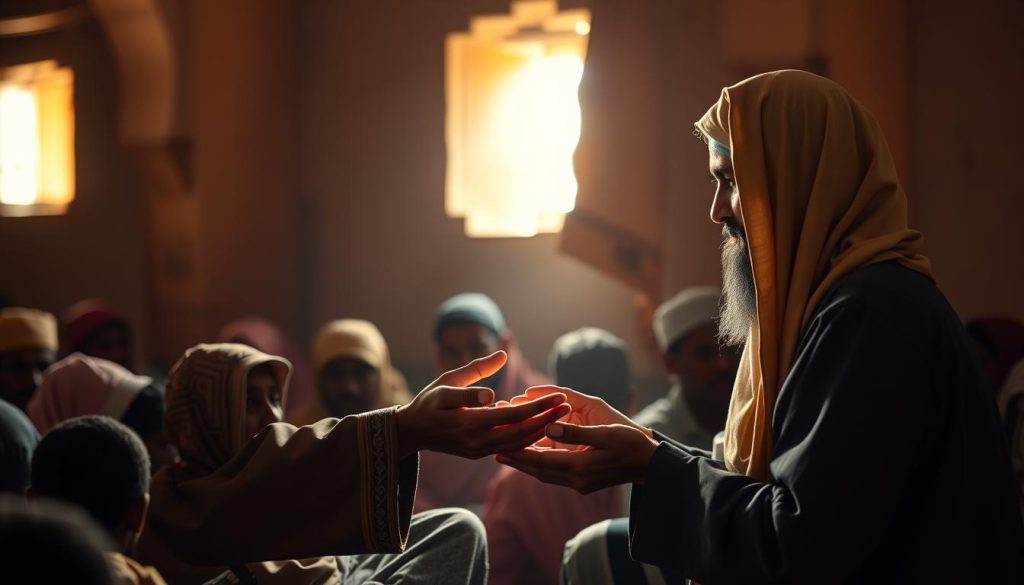
Embracing Detachment from Materialism
When we truly internalize that Allah is Al-Waarith, we develop a healthy detachment from material possessions. This doesn’t mean abandoning responsibility or living in poverty, but rather holding our possessions lightly, recognizing their temporary nature.
“The world is green and sweet, and Allah has made you successors upon it to see how you will act.” (Muslim)
This prophetic teaching reminds us that we are caretakers, not permanent owners. Our stewardship of resources will be evaluated based on how responsibly we managed what was entrusted to us.
Practical Applications in Daily Life
- Mindful Consumption: Purchase purposefully, avoiding excessive accumulation that creates attachment to material things.
- Generous Giving: Share wealth freely, recognizing that giving in charity doesn’t diminish but preserves your true wealth.
- Environmental Stewardship: Care for the earth as a trust from Allah that will return to Him.
- Legacy Planning: Focus on leaving behind beneficial knowledge and ongoing charitable projects rather than just material inheritance.
- Gratitude Practice: Regularly thank Allah for entrusting you with temporary blessings.
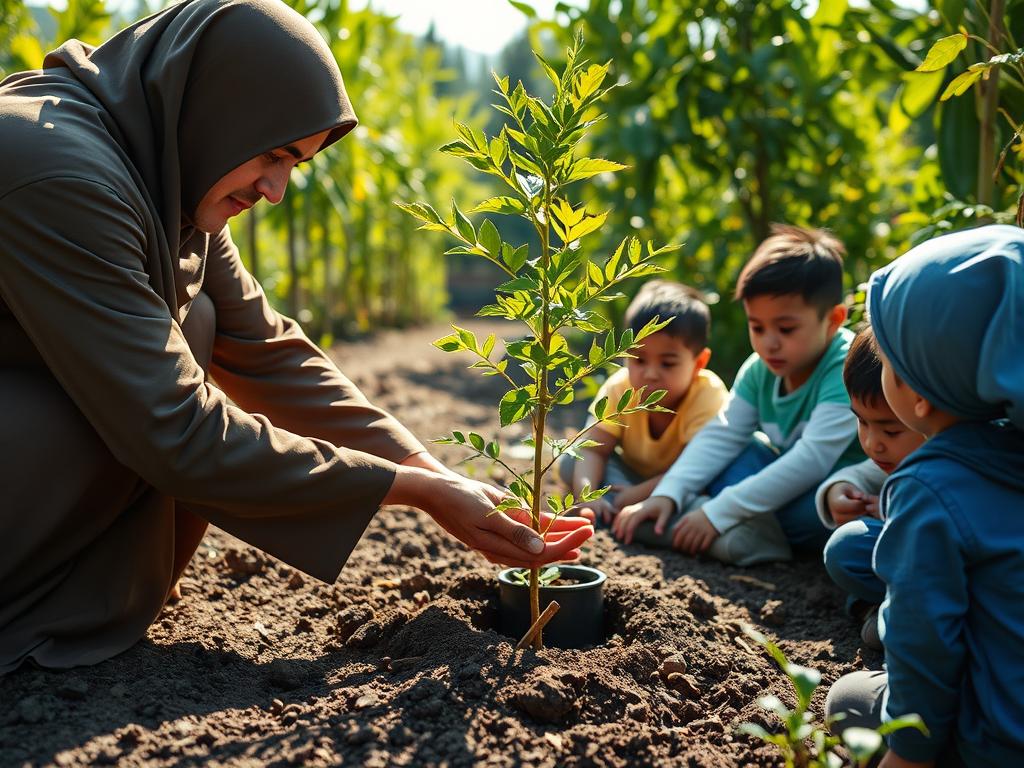
Planting trees is a form of Sadaqah Jariyah that continues to benefit others long after one’s death
Implementing the Wisdom of Al-Waarith in Financial Decisions
The concept of Allah as Al-Waarith has direct implications for how we handle financial matters:
Islamic Inheritance Laws
Follow the detailed inheritance guidelines in Islamic law (fiqh), which ensure fair distribution among heirs. These divine instructions recognise that wealth ultimately belongs to Allah and should be distributed according to His wisdom.
Ethical Earning and Spending
Pursue halal (permissible) income sources and avoid interest-based transactions. Spend in ways that benefit rather than harm society, recognizing your role as a steward of Allah’s resources.
Take Action Today
Begin implementing Al-Waarith’s wisdom by identifying one area of attachment in your life and taking a concrete step toward healthier detachment.
Continue LearningAl-Waarith with Other Divine Names
To fully appreciate the significance of Al-Waarith, it’s valuable to understand how this divine name relates to and complements other names of Allah. This comparative analysis reveals the beautiful interconnectedness of Allah’s attributes.
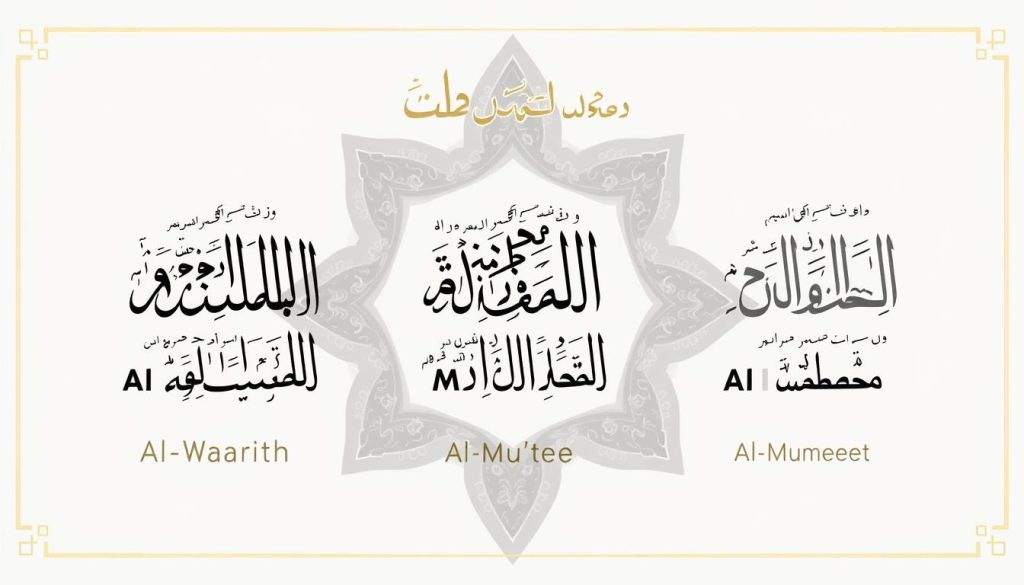
| Divine Name | Meaning | Relationship to Al-Waarith |
| Al-Mu’tee (المعطي) | The Giver | While Al-Mu’tee bestows gifts and provisions upon creation, Al-Waarith reminds us that these gifts ultimately return to their source. This complementary relationship teaches us to be grateful for what we receive while maintaining awareness of its temporary nature. |
| Al-Mumeet (المميت) | The Taker of Life | Al-Mumeet ends the physical existence of creation, while Al-Waarith receives back what was given. Together, these names complete the cycle of existence, reminding us of life’s temporary nature and the return to Allah. |
| Al-Baaqi (الباقي) | The Everlasting | Al-Baaqi emphasises Allah’s eternal existence, while Al-Waarith highlights that He remains after all else perishes. Together, they establish Allah’s permanence in contrast to creation’s impermanence. |
| Al-Maalik (المالك) | The Owner/Sovereign | Al-Maalik establishes Allah’s original ownership, while Al-Waarith emphasises the return of all possessions to Him. Together, these names form a complete circle of divine ownership. |
| Al-Ghani (الغني) | The Self-Sufficient | Al-Ghani establishes Allah’s independence from creation, while Al-Waarith reminds us of creation’s dependence on Him. Together, they highlight the asymmetrical relationship between Creator and created. |
The Complete Circle of Divine Attributes
These interconnected names reveal a beautiful cycle: Allah gives through His generosity (Al-Mu’tee), maintains ownership throughout (Al-Maalik), causes death when the appointed time arrives (Al-Mumeet), and ultimately inherits back what was always His (Al-Waarith), while remaining eternally (Al-Baaqi) and completely self-sufficient (Al-Ghani).
This comprehensive understanding helps us appreciate the perfect harmony of Allah’s attributes and their implications for our lives. When we recognise Allah as both the Giver and the Inheritor, we develop a balanced approach to blessings—grateful for what we receive while conscious of their temporary nature.
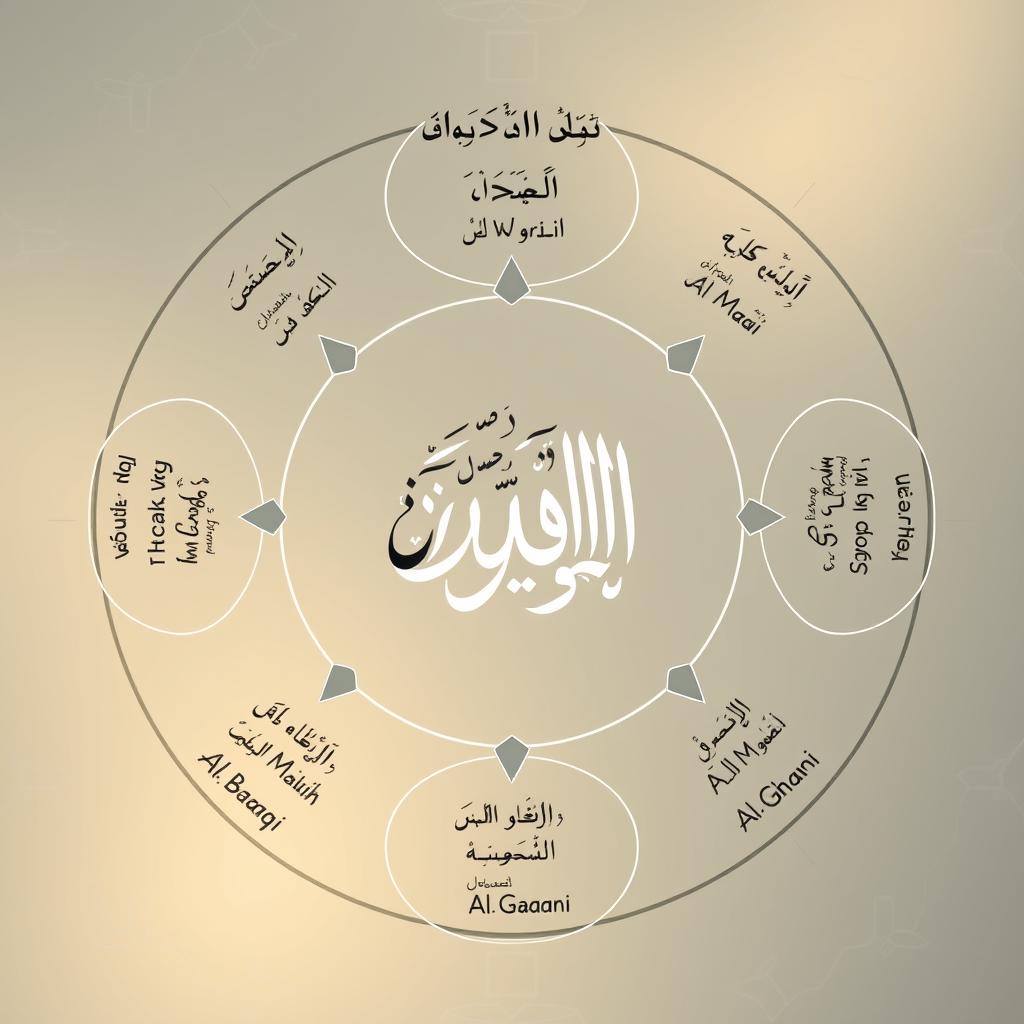
The interconnected cycle of Allah’s names shows the complete circle of divine attributes
Embracing the Wisdom of Al-Waarith in Our Lives
As we conclude our exploration of Allah’s beautiful name Al-Waarith, we’re invited to integrate this profound concept into our daily lives. Understanding Allah as the Ultimate Inheritor transforms our perspective on ownership, purpose, and legacy.
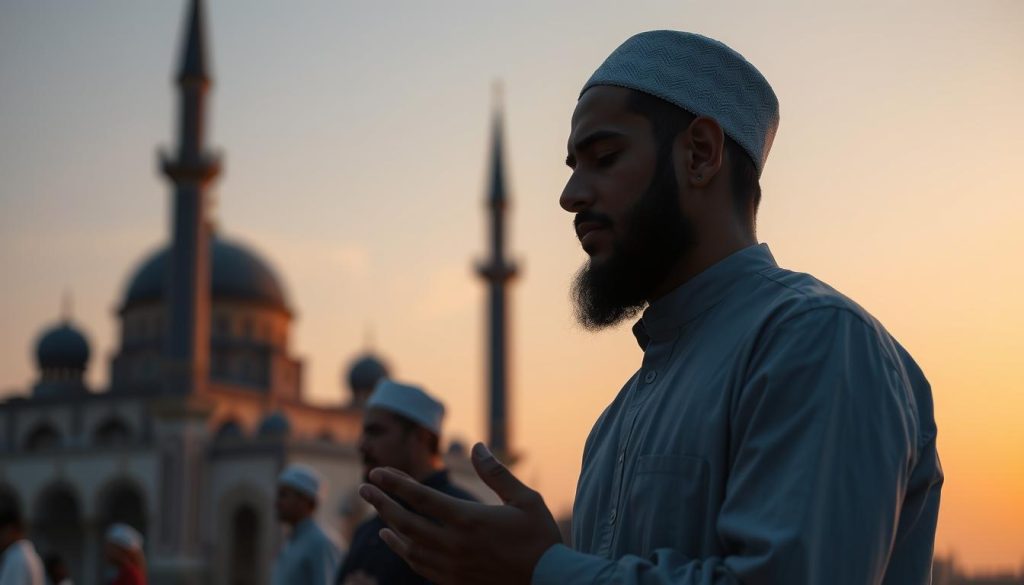
When we truly internalize that Allah is Al-Waarith—that all we possess will return to Him—we’re liberated from excessive attachment to material things. This doesn’t diminish our enjoyment of blessings but enhances it by removing the anxiety of loss. We hold our possessions with open hands, recognizing their temporary nature.
The wisdom of Al-Waarith invites us to shift our focus from accumulating temporary possessions to building an eternal legacy through beneficial knowledge, ongoing charity, and raising righteous children. These investments transcend our physical existence and continue to benefit us long after we’ve returned to our Creator.
“What is with you will perish, and what is with Allah will remain.” (Surah An-Nahl 16:96)
This Quranic reminder encapsulates the essence of Al-Waarith. By aligning our priorities with this divine reality, we can live purposeful lives focused on what truly matters—pleasing Allah and benefiting His creation.
Build Your Eternal Legacy Today
Begin implementing the wisdom of Al-Waarith by taking concrete steps toward detachment from materialism and investment in eternal deeds.
Start Your JourneyMay our understanding of Allah as Al-Waarith inspire us to live with greater awareness, gratitude, and purpose, recognising that our true worth lies not in what we temporarily possess but in the eternal legacy we build through our relationship with Allah and service to His creation.