



Understanding Allah’s Name ‘An-Nur, the light
Understanding Allah’s Name ‘An-Nur, the light, in Islamic theology, Allah is known by 99 beautiful names (Al-Asma ul-Husna), each revealing a unique aspect of His divine nature and attributes. These names serve as windows into understanding the Creator’s essence and relationship with creation. Among these profound attributes is “An-Nur” – The Light – a name that illuminates our understanding of divine guidance, wisdom, and spiritual clarity in Islam.
This exploration of An-Nur takes us deep into the heart of Islamic spirituality, where divine light serves as both metaphor and reality. Through Quranic verses, prophetic traditions, and spiritual insights, we’ll uncover how this divine attribute manifests in the universe and within the human heart.
The divine light of An-Nur illuminates the cosmos and guides believers to the truth.
The Meaning of An-Nur
The Arabic term “Nur” (نور) linguistically refers to light, that which makes things visible and dispels darkness. However, when attributed to Allah as “An-Nur,” it transcends physical illumination to encompass divine guidance, truth, and enlightenment.
Unlike created light, which is limited by time, space, and physical properties, Allah’s light is absolute, eternal, and perfect. It is the source from which all other forms of light derive their existence. The Quran beautifully articulates this concept in what is perhaps the most profound verse about divine light:
اللَّهُ نُورُ السَّمَاوَاتِ وَالْأَرْضِ مَثَلُ نُورِهِ كَمِشْكَاةٍ فِيهَا مِصْبَاحٌ الْمِصْبَاحُ فِي زُجَاجَةٍ الزُّجَاجَةُ كَأَنَّهَا كَوْكَبٌ دُرِّيٌّ
“Allah is the Light of the heavens and the earth. The example of His light is like a niche within which is a lamp, the lamp is within glass, the glass as if it were a pearly [white] star.” (Surah An-Nur 24:35)
This verse establishes that Allah is not merely a possessor of light but the essence of light itself. His light permeates and sustains the heavens and earth, providing illumination, guidance, and existence to all creation.

The Quranic metaphor of a lamp in a niche illustrates the nature of divine light
The contrast between divine light and physical light is significant. Physical light is created, contingent, and can be extinguished. It requires a source and a medium to travel. Divine light, however, is uncreated, self-sustaining, and eternal. It is the primary reality from which all other realities derive their existence and through which they are made manifest.
Quranic and Hadith References to An-Nur
The Quran contains numerous references to light as both a divine attribute and a metaphor for guidance. The most comprehensive is the “Verse of Light” (Ayat al-Nur) in Surah An-Nur, which deserves deeper analysis:
يُوقَدُ مِن شَجَرَةٍ مُّبَارَكَةٍ زَيْتُونَةٍ لَّا شَرْقِيَّةٍ وَلَا غَرْبِيَّةٍ يَكَادُ زَيْتُهَا يُضِيءُ وَلَوْ لَمْ تَمْسَسْهُ نَارٌ نُّورٌ عَلَى نُورٍ يَهْدِي اللَّهُ لِنُورِهِ مَن يَشَاءُ
“Lit from [the oil of] a blessed olive tree, neither of the east nor of the west, whose oil would almost glow even if untouched by fire. Light upon light! Allah guides to His light whom He wills.” (Surah An-Nur 24:35)
This extended metaphor illustrates several aspects of divine light:
Other significant Quranic references to divine light include:
يَسْعَىٰ نُورُهُم بَيْنَ أَيْدِيهِمْ وَبِأَيْمَانِهِمْ
“Their light will proceed before them and on their right.” (Surah At-Tahrim 66:8)
This verse describes how believers will be guided by their light on the Day of Judgment, suggesting that faith itself generates illumination.
قَدْ جَاءَكُم مِّنَ اللَّهِ نُورٌ وَكِتَابٌ مُّبِينٌ
“There has come to you from Allah a light and a clear Book.” (Surah Al-Ma’idah 5:15)
Here, the Quran itself is described as light, indicating its role in providing guidance and clarity.

The Quran serves as a manifestation of Allah’s light, guiding humanity to truth
In hadith literature, the Prophet Muhammad ﷺ further elaborated on this divine attribute. In a famous supplication, he would say:
“O Allah, You are the Light of the heavens and the earth and whatever is in them… You are the Truth, and Your promise is true.”
Sahih Muslim
This hadith affirms that Allah’s light is not merely metaphorical but an essential attribute of His being, intrinsically connected to truth and reality.
Philosophical and Spiritual Significance
The concept of An-Nur carries profound philosophical and spiritual implications in Islamic thought. At its core, it represents the manifestation of divine guidance, wisdom, and clarity in a world often clouded by ignorance and confusion.
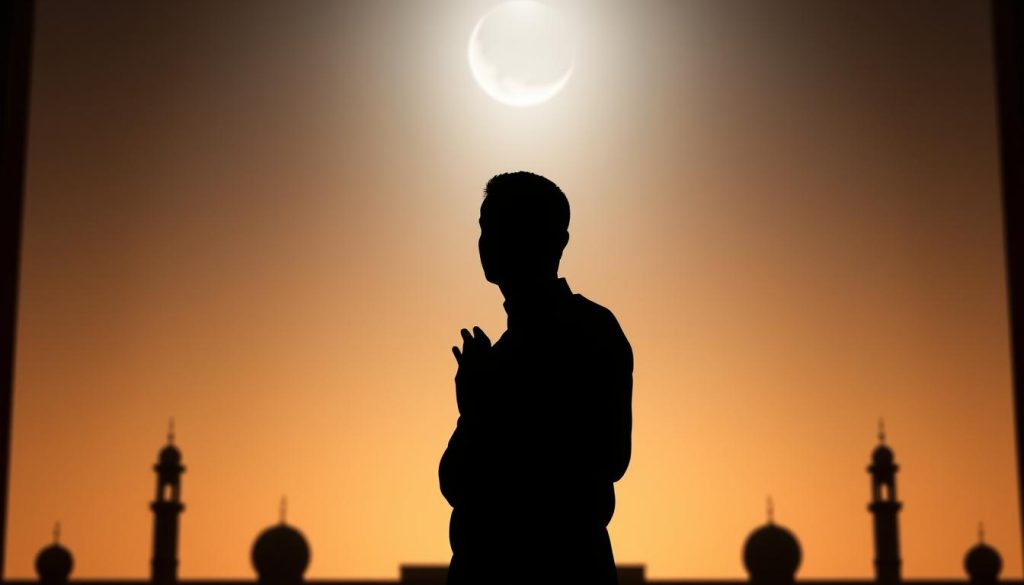
Divine light illuminates the path of those who seek guidance
The metaphor of light versus darkness is central to Islamic ethics. Light symbolises knowledge, faith, and moral clarity, while darkness represents ignorance, disbelief, and ethical confusion. The Quran states:
اللَّهُ وَلِيُّ الَّذِينَ آمَنُوا يُخْرِجُهُم مِّنَ الظُّلُمَاتِ إِلَى النُّورِ
“Allah is the ally of those who believe. He brings them out from darkness into light.” (Surah Al-Baqarah 2:257)
This verse establishes a fundamental spiritual journey – from the darkness of ignorance to the light of knowledge and faith. The name An-Nur thus represents Allah’s role in guiding humanity from confusion to clarity, from doubt to certainty.
The Metaphysical Dimension
In Islamic metaphysics, light is not merely a physical phenomenon but a fundamental reality. The 11th-century philosopher Al-Ghazali wrote extensively on this in his treatise “Mishkat al-Anwar” (The Niche of Lights), where he explored the verse of light and its implications.
Al-Ghazali proposed that reality is light itself, with Allah being the only true light and everything else deriving its existence and “illumination” from Him. Physical light is merely a shadow or reflection of divine light, just as physical reality is contingent upon divine existence.
Light as Knowledge
In Islamic epistemology, knowledge itself is often described as light. The Quran is called “nur” (light) because it illuminates the path to understanding. Similarly, the Prophet Muhammad ﷺ is defined as “siraj munir” (a luminous lamp) because he transmitted divine knowledge to humanity.
This connection between light and knowledge suggests that An-Nur represents Allah as the ultimate source of all wisdom and understanding.
Light as Guidance
Perhaps most importantly, light in the Quranic context represents guidance. The phrase “light upon light” in the verse of light suggests layers of guidance – the innate human capacity for recognising truth (fitrah) illuminated further by revealed guidance (wahy).
As An-Nur, Allah guides humanity through multiple channels: creation, revelation, prophets, and the inner light of the heart.
An-Nur in Sufi Tradition
In Sufi (Islamic mystical) tradition, the concept of An-Nur takes on additional dimensions. Sufis speak of the “light of the heart” (nur al-qalb) – the spiritual illumination that allows the believer to perceive divine realities beyond the physical world.

The light of the heart (nur al-qalb) in Sufi tradition
The 13th-century Sufi poet Rumi often used light imagery to describe the spiritual journey:
“The wound is the place where the Light enters you.”
Jalaluddin Rumi
This perspective sees challenges and suffering as opportunities for divine light to penetrate the heart, transforming the individual through illumination. The ultimate goal in Sufi practice is to become so transparent that one becomes a perfect mirror reflecting divine light to others.
Practical Applications for Muslims
Understanding Allah as An-Nur has profound implications for Muslim spiritual practice and daily life. This divine attribute offers guidance on seeking illumination and becoming a channel for divine light in the world.
Invoking An-Nur in Prayer
Muslims can incorporate this divine name into their daily supplications (duas). The Prophet Muhammad ﷺ taught several prayers that invoke Allah’s light:
“O Allah, place light in my heart, light in my sight, light in my hearing, light on my right, light on my left, light above me, light below me, light in front of me, light behind me, and make light for me.”
Sahih Bukhari
This comprehensive prayer asks for divine illumination in every aspect of life. By regularly reciting such supplications, Muslims seek to be enveloped in divine guidance and clarity.

Through worship, Muslims seek illumination from Allah, An-Nur
Cultivating Inner Light
The Quran and prophetic teachings offer guidance on how to nurture the light of faith within the heart:
The Prophet Muhammad ﷺ said: “Verily, when the servant sins, a black spot appears on his heart. His heart will be polished if he abandons the sin, seeks forgiveness, and repents. But if he increases in sin, the blackness increases.” This hadith illustrates how moral choices affect the heart’s capacity to receive and reflect divine light.
Navigating Moral Dilemmas
Understanding Allah as An-Nur provides a framework for ethical decision-making. When faced with moral dilemmas, Muslims can seek guidance by:
Seeking Clarity Through Prayer
The Prophet Muhammad ﷺ taught a special prayer called Istikhara for seeking guidance in decisions. This prayer explicitly asks Allah to illuminate and clarify the right path to the heart.
Consulting the Sources of Light
Referring to the Quran and authentic prophetic teachings illuminates ethical matters. These sources of divine light offer principles that can be applied to contemporary situations.

Seeking guidance through the light of revelation
Becoming a Reflection of Divine Light
Perhaps the most profound application of understanding An-Nur is striving to become a reflection of divine light in the world. The Prophet Muhammad ﷺ was described as “siraj munir” (a luminous lamp), indicating his role in transmitting divine light to humanity.
Muslims are encouraged to follow this prophetic example by:
The Prophet ﷺ said: “The example of a believer is that of a lamp.” This simple yet profound metaphor reminds Muslims that they are also responsible for illuminating their surroundings through knowledge, character, and righteous action.
Conclusion: Embracing the Light
Allah’s name An-Nur offers a profound metaphor for understanding the divine nature and humanity’s relationship with the Creator. Allah illuminates existence as the Light of the heavens and earth while providing guidance, clarity, and wisdom to those who seek it.

The light of dawn symbolises the illumination that An-Nur brings to the world
The multidimensional nature of this divine attribute encompasses:
For the believer, contemplating An-Nur is not merely an intellectual exercise but an invitation to experience divine illumination. Through prayer, Quranic reflection, righteous action, and spiritual purification, Muslims seek to open their hearts to this heavenly light and become channels through which it shines into the world.
In a world often characterised by confusion, uncertainty, and moral ambiguity, the concept of Allah as An-Nur offers a beacon of clarity and guidance. It reminds us that beyond the shadows of our limited understanding shines an eternal light. This light illuminates not just the cosmos but the human heart, guiding us from darkness into light, from ignorance into knowledge, and from separation into unity with the divine source of all illumination.
Deepen Your Understanding of Allah’s Beautiful Names
Join our monthly newsletter to receive reflections on Allah’s 99 names, practical spiritual guidance, and exclusive content to illuminate your spiritual journey.
Subscribe to Our Newsletter